Reflection 41: Choice by Deliberate Actions!
The team this week have been reflecting on the meaning of choice: the act of selecting one option from two or more alternatives! At times this may appear to be…
Read More
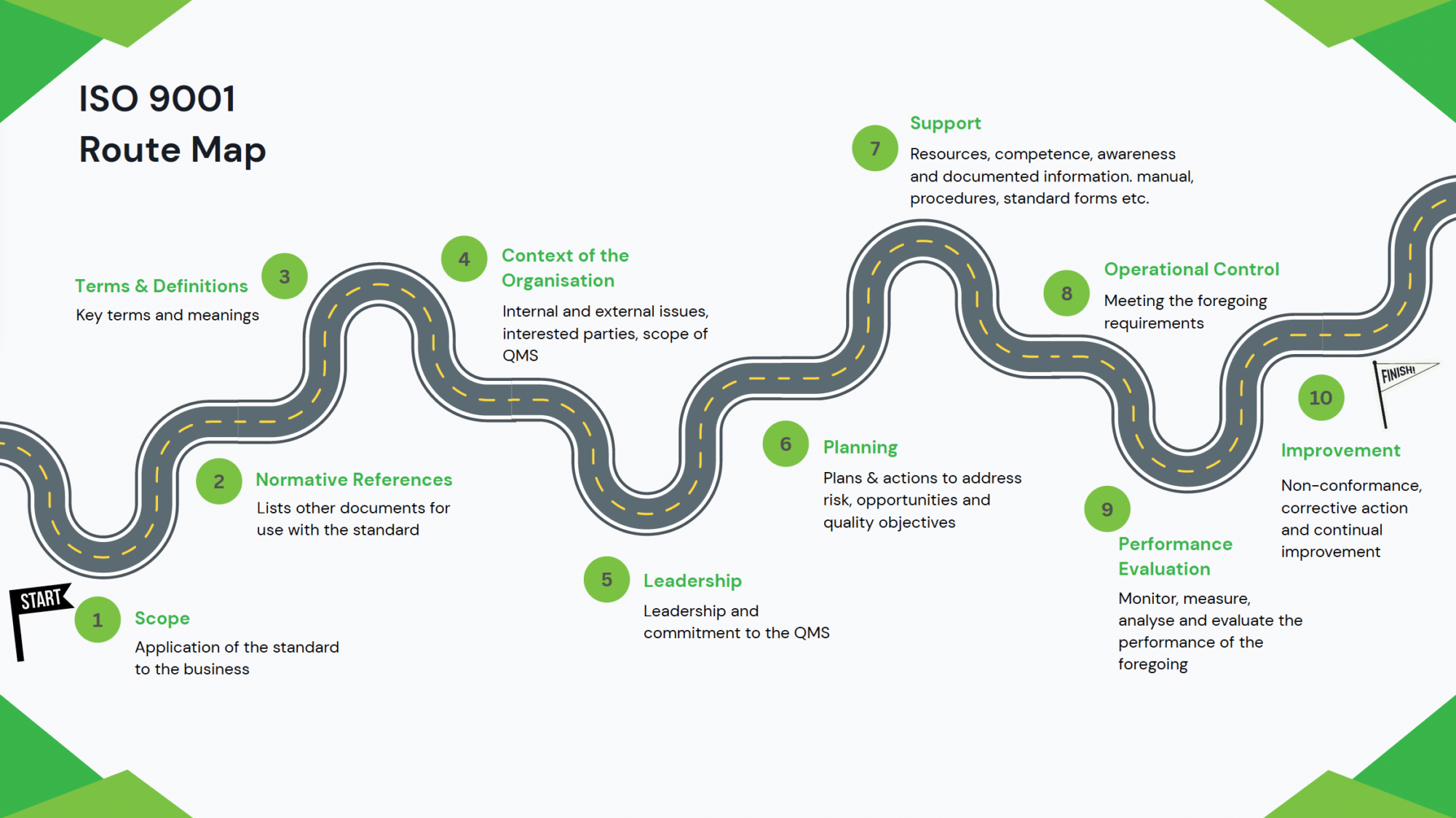
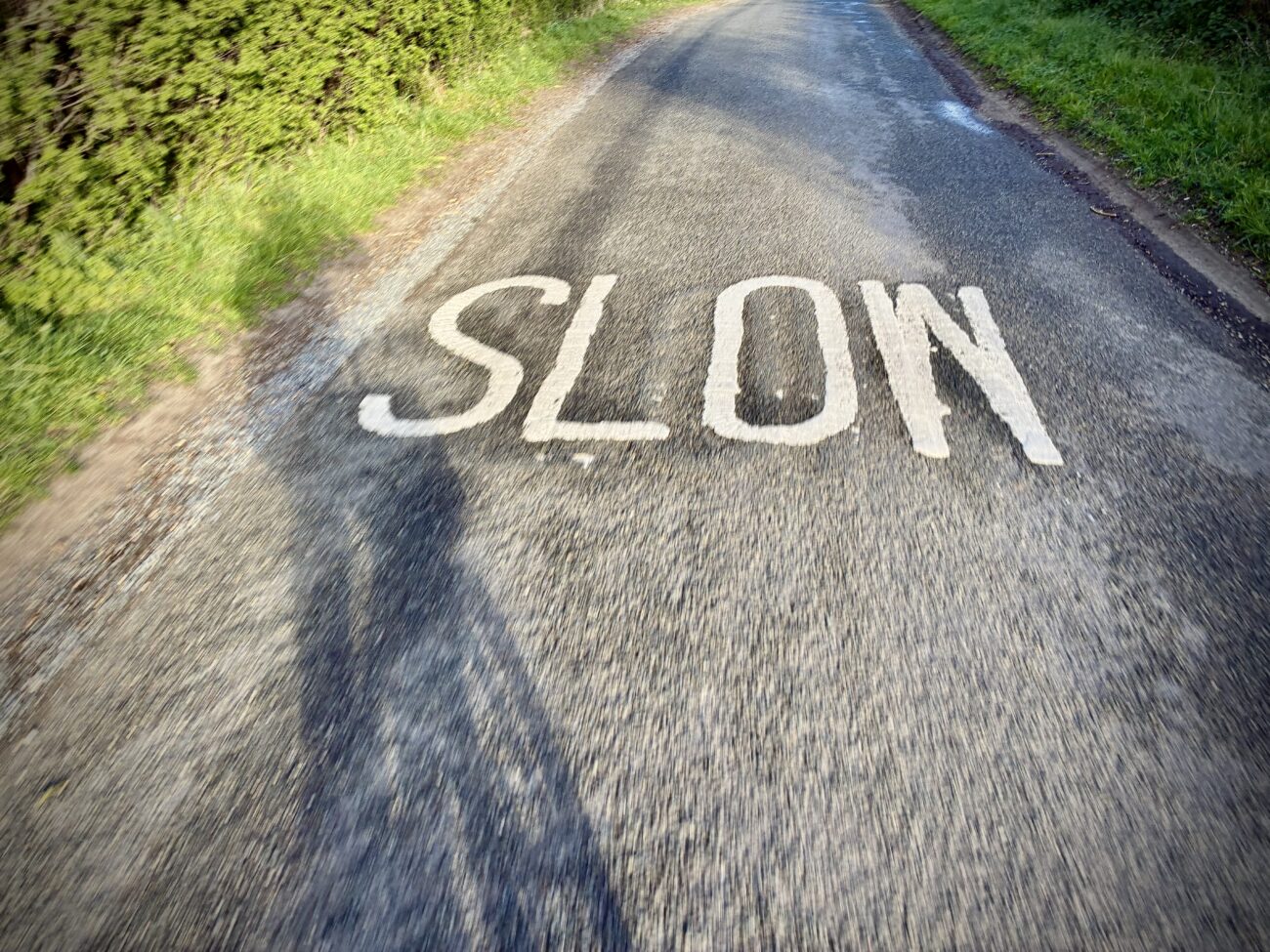
This week’s reflection is being written on a Saturday morning, which probably tells you most of what you need to know about the pace of the last five days. We have been on the road, in the classroom, on site, and occasionally on the sofa, balancing delivery for clients with some necessary pauses to look after ourselves and our wider team. An ISO route map, a “SLOW” painted road reminder, and a broken Brompton wheel have all played their part in reminding us that progression is rarely a straight line.
Our work has continued to orbit familiar themes: CDM compliance, ISO development, site inspections and training – all wrapped around the human reality of bereavement, mental health, and making sure people are set up to succeed. With that in mind, here is how the week unfolded.
Monday
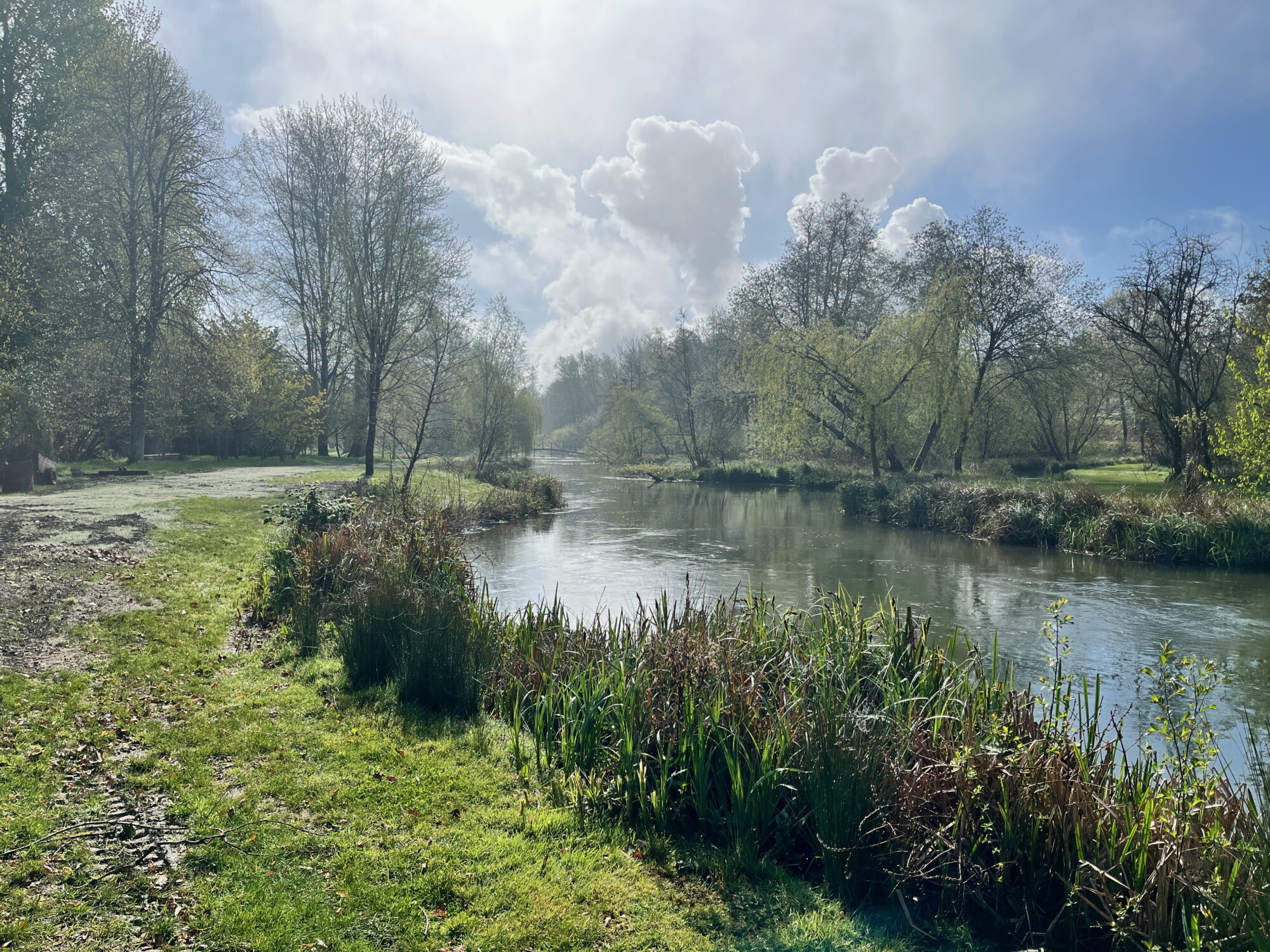
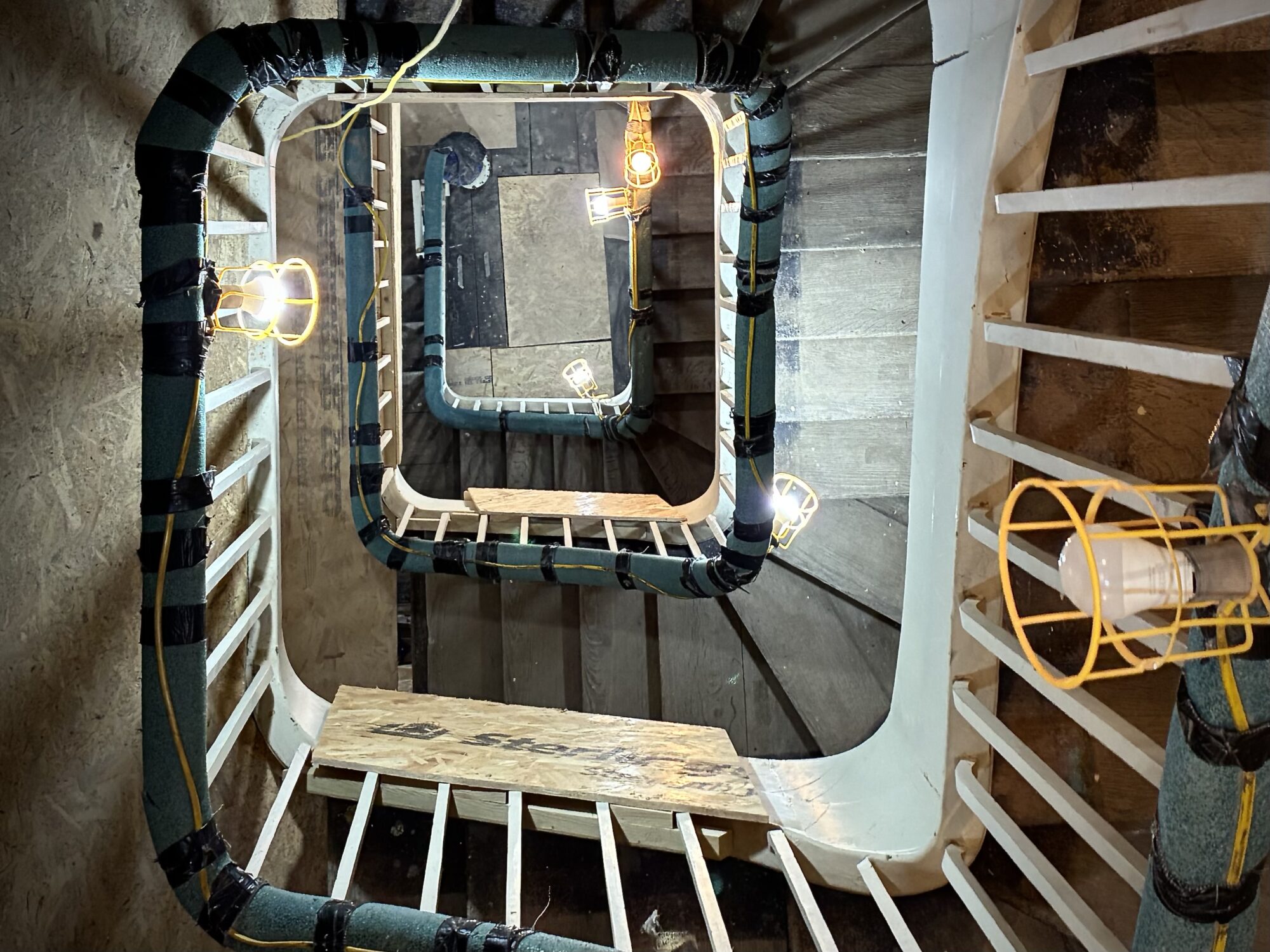
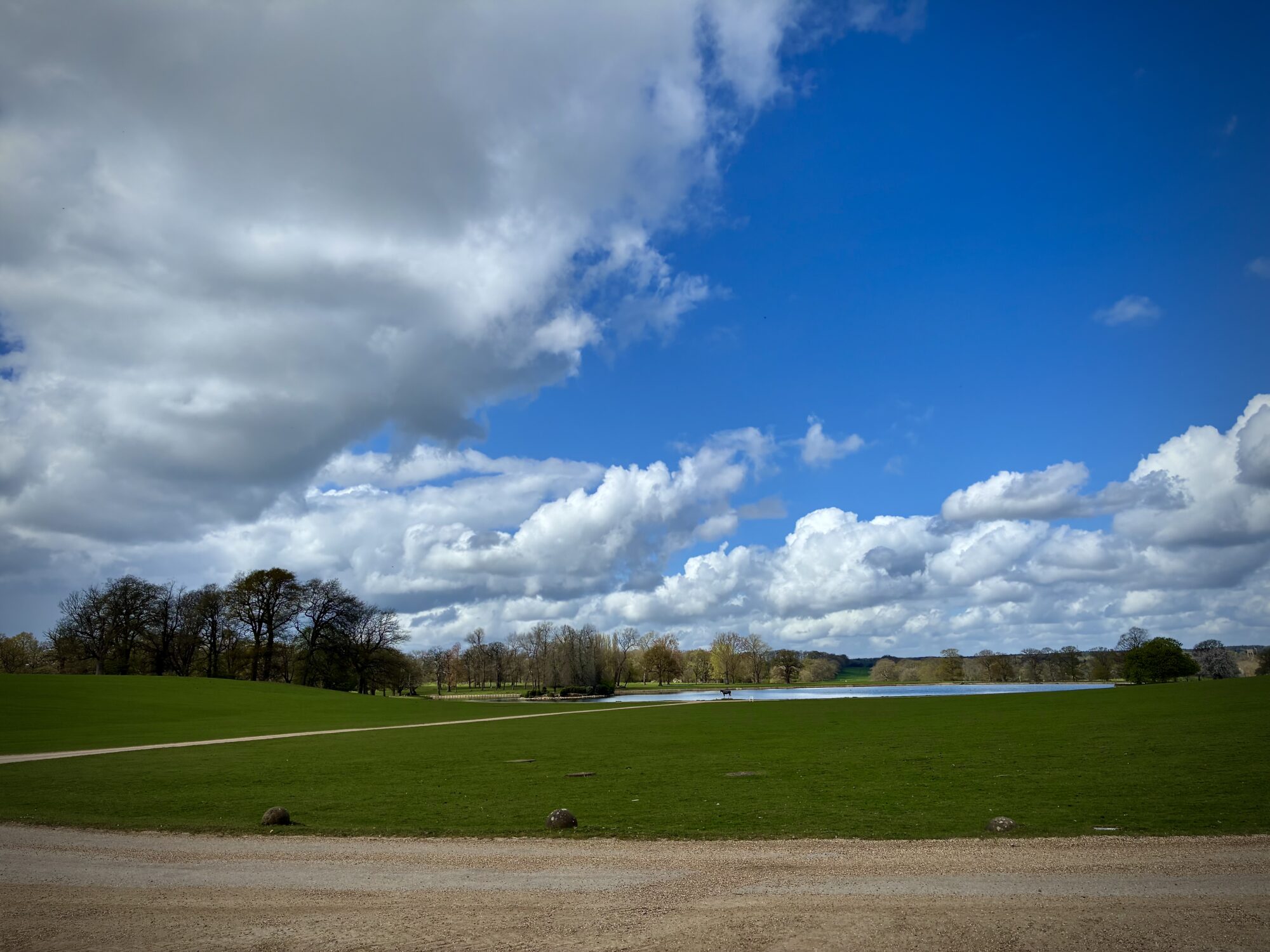
The week opened with contrasting but complementary inspections. Lee headed to Woburn Abbey, walking the grounds and historic fabric with an eye on how modern safety expectations sit alongside centuries-old architecture. At the same time, I was beside the river at Cravern Fishery, reviewing a project where natural beauty and construction activity share the same footprint, and where clear controls are essential to protect both people and environment.
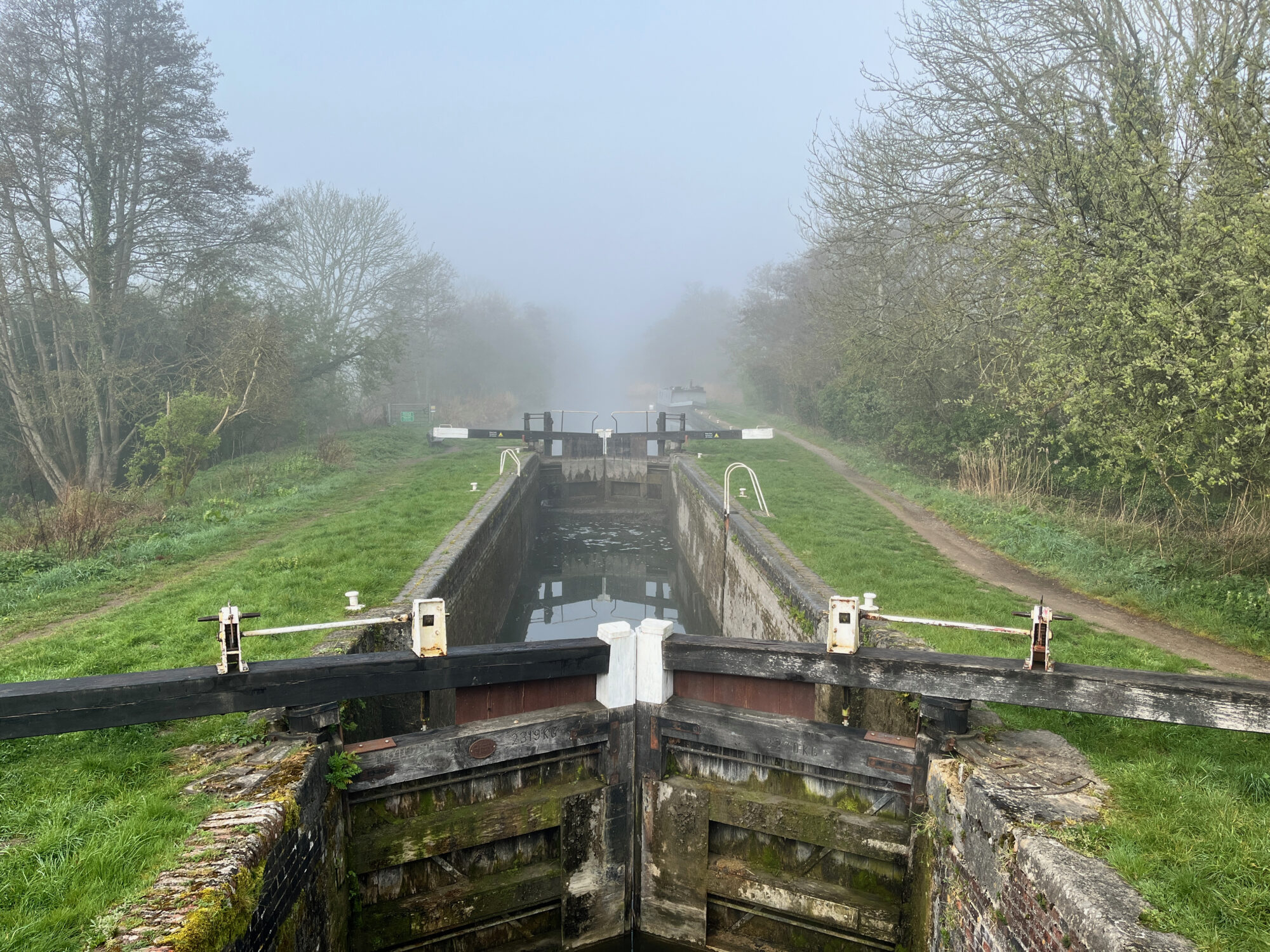
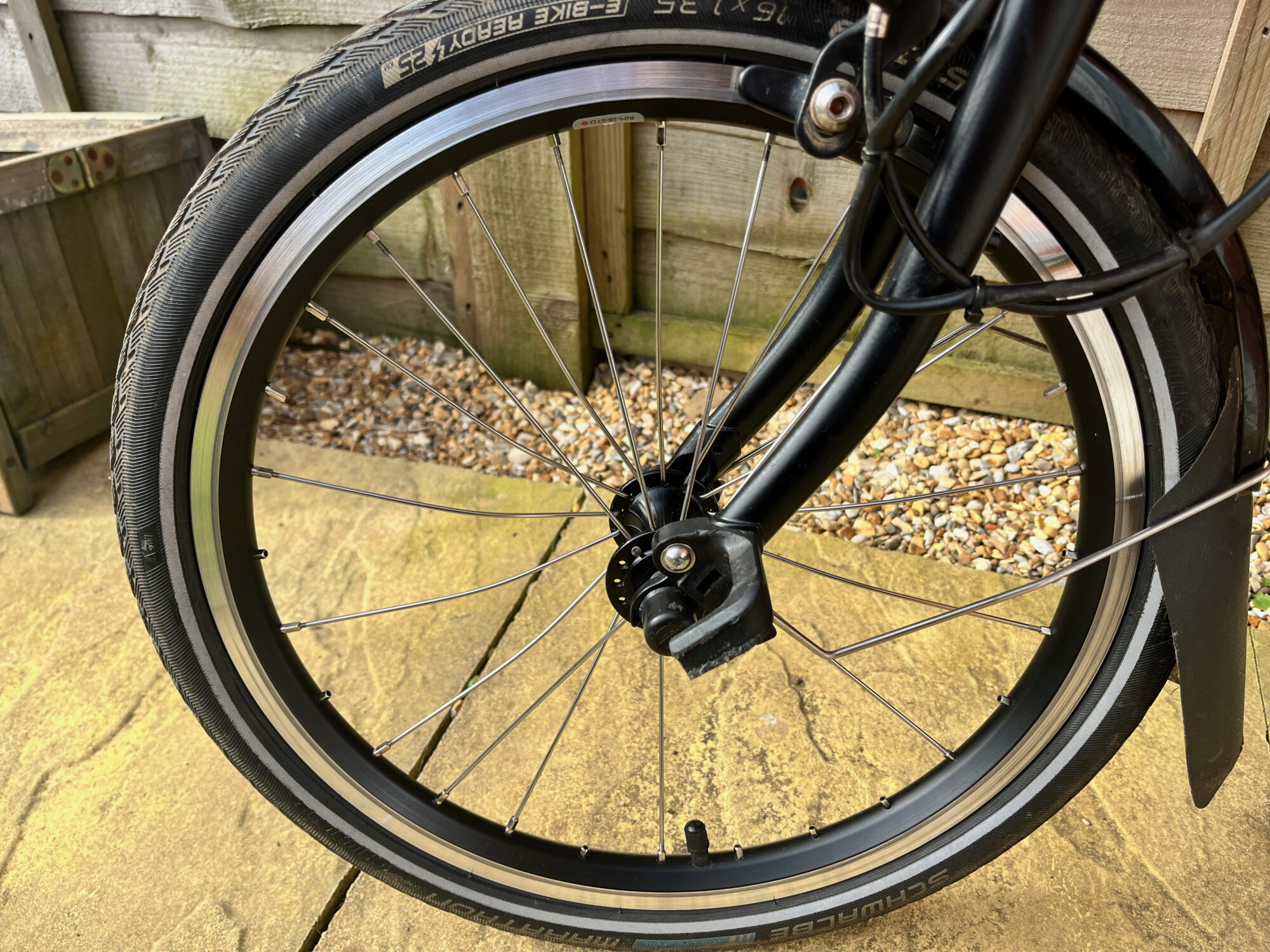
The journey to Cravern Fishery followed the canal at Newbury, complete with morning mist, still water, and a hint of adventure before the day properly began. The Brompton did not escape unscathed, with a front wheel failure adding a dose of practical risk assessment to the commute and a reminder that even well‑used tools sometimes need an MOT of their own.
Tuesday
Tuesday split neatly between compliance and improvement. I was at Southampton City Council for a CDM‑focused day, working through how duties, documentation, and communication tie together across their projects to keep risk as low as reasonably practicable. Meanwhile, Lee travelled to Ipswich to support East Green Energy with their transition to ISO 14001, helping them align their environmental management system with the standard and using our ISO route map to keep everyone clear on where they are on the journey.
Between the council discussions and the ISO workshop, a common thread emerged: when you get the structure right – clear roles, documented processes, and honest dialogue – compliance stops being a chore and starts to feel like a shared framework for doing good work.
Wednesday
For once, I was on the other side of the board, spending the day as a delegate on the CITB SEATS course rather than at the front of the room. Being taught rather than teaching is always humbling; it sharpened my appreciation of how environmental considerations are landing on site and gave me a few ideas to fold back into our own training material.
Lee continued the inspection rhythm with visits for Rainesway Construction and Appledown Construction, checking how controls were being applied in real conditions and how temporary arrangements are actually working for the people using them. Those site tours help us give feedback that is rooted firmly in what we’ve seen, not just what’s written in a plan.
Thursday
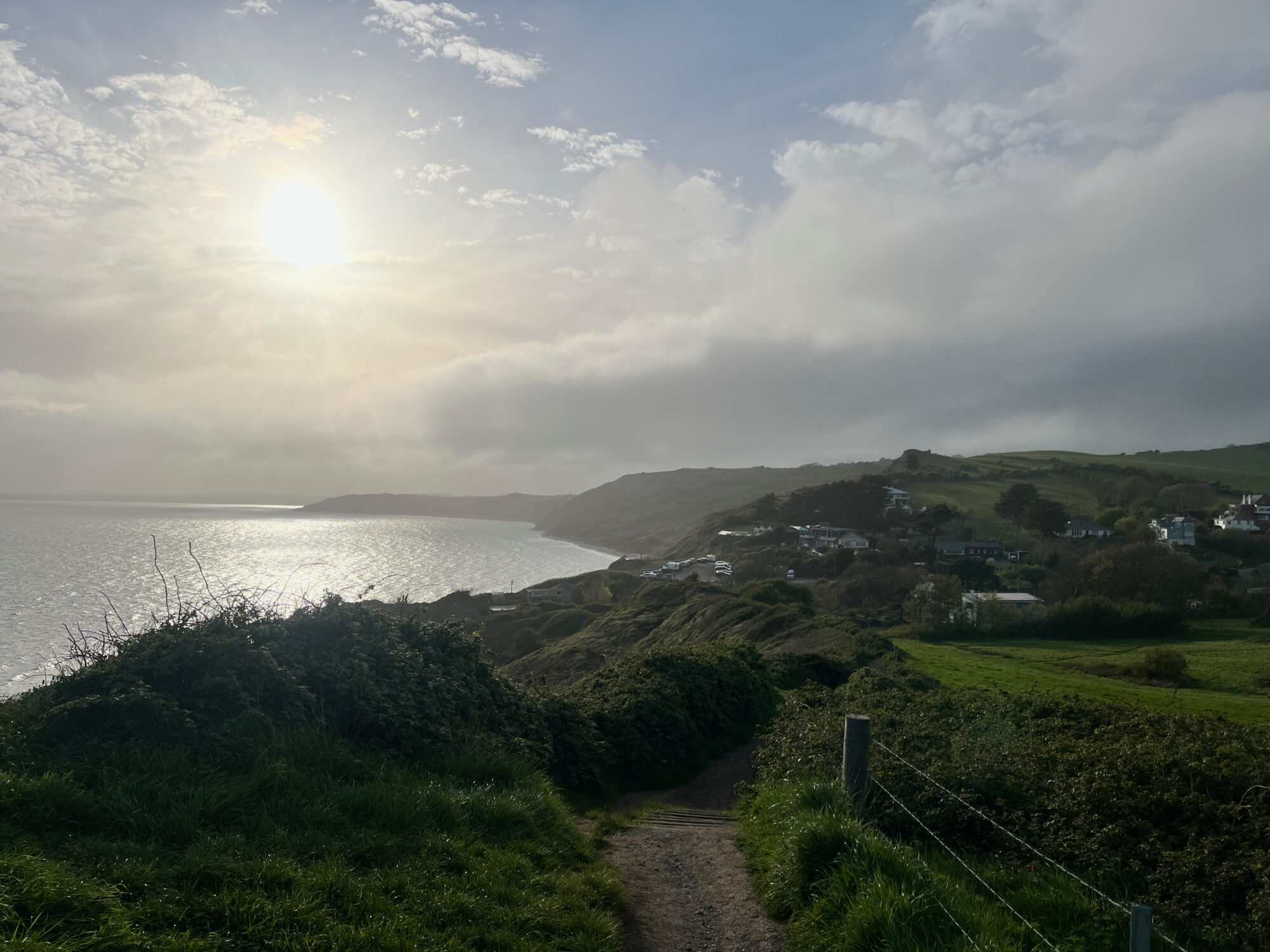
Thursday took me to Weymouth to deliver a CITB SSSTS course for MS Associates Ltd & Keystone. Civil Engineering Ltd. Four very capable groundworkers joined the course, and their practical experience made for open, useful conversation; it was one of those days where examples from site flowed straight into the theory and back again. The coastal setting also offered the chance for a 10‑mile run along the path later, a stunning route that did as much for my head as my legs.
Not all of the day’s mileage was positive, though. Away from sites and classrooms, we also had to make space for family tragedy and the realities of life outside work. It was a sobering and important pause in an otherwise relentless schedule and a reminder that, behind the site boots and hard hats, people are carrying their own stories, and our systems need to make space for that humanity.
Friday (and the bits in between)
Alongside the visible site and training work, the quieter but vital conversations continued. One in particular focused on mental health, workload, and personal capacity within our wider network. That openness helped us check that we are allocating the right work to the right people with clear instructions, rather than inadvertently piling pressure onto those who are already stretched. That kind of dialogue is as important to safety as any policy or procedure.
By the end of the week, more inspections had been completed, course notes refined, and proposals nudged forward, even if the “SLOW” painted on the road in one of our photos was not always reflected in our diaries. The broken wheel, the ISO route map and that single word on the tarmac all carry the same message: progression is about pacing as much as it is about pushing.
Closing Thought
We started the week walking historic estates and riverbanks and ended it reflecting on grief, mental health, and the weight of responsibility that sits with those who lead projects and teams. We inspected, we trained, we learned, and we listened.
As we move into next week, our focus is simple: keep people at the centre of the process, match expectations to capacity, and remember that sometimes the bravest thing you can do – whether on a canal path, a construction site, or in a project meeting – is to slow down, take stock, and then take the next right step.