Reflection 41: Choice by Deliberate Actions!
The team this week have been reflecting on the meaning of choice: the act of selecting one option from two or more alternatives! At times this may appear to be…
Read More
 This week reinforced the value of conversations that are not planned, scripted or driven solely by compliance.
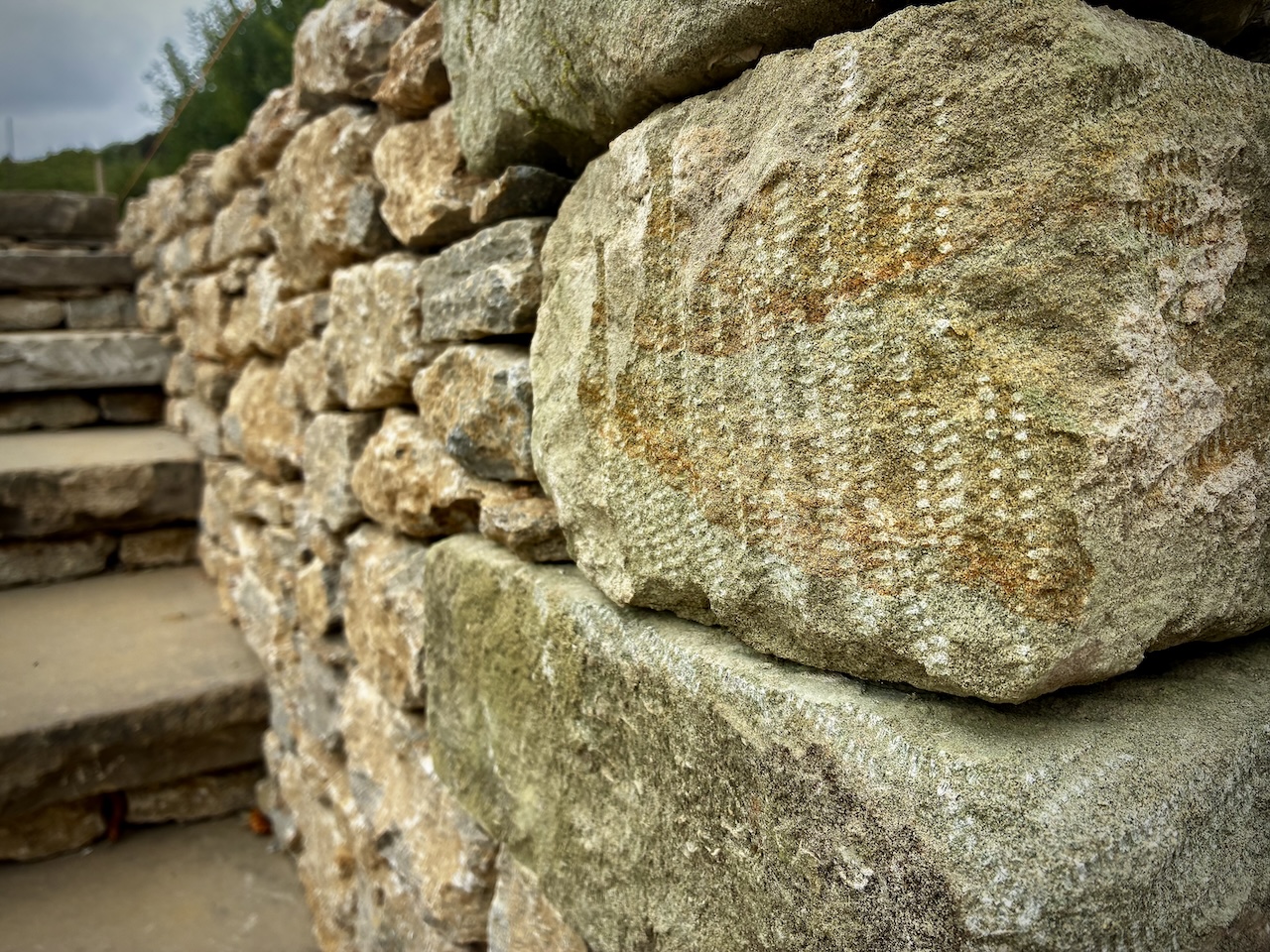
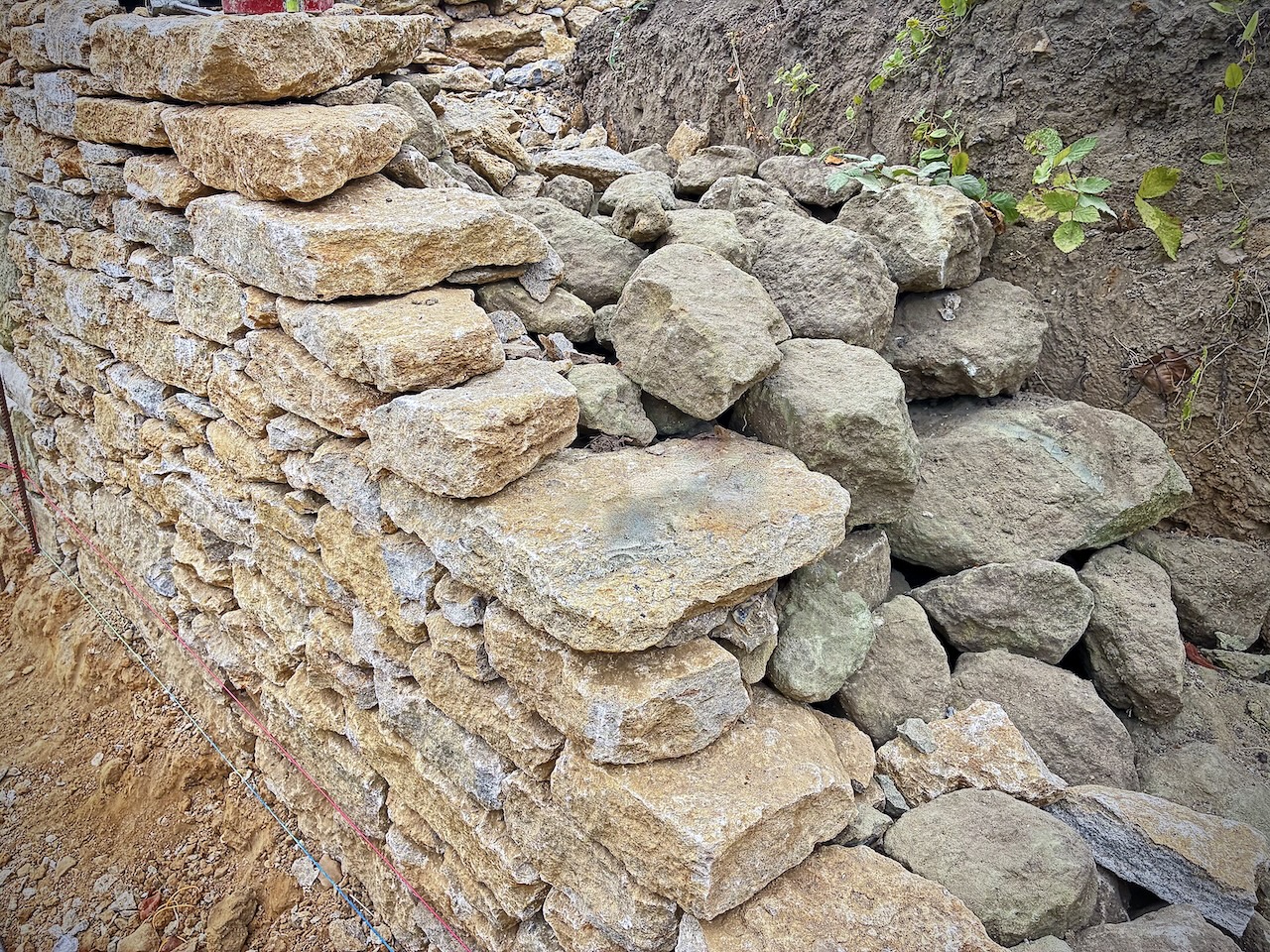
Some of the most useful learning came from simple curiosity: asking tradespeople about their craft and listening carefully to how they think. On a heritage project, a conversation with dry-stone wallers explored how they develop an “eye” for the work: judging the shape and placement of each stone, understanding foundations and layback, managing drainage, and creating a wall that can ultimately support plant and wildlife.
A separate discussion with a solar installer offered another perspective on skilled work: the precision needed to align panels and weather details correctly, alongside the need to manage live DC electrical risks carefully. Different trades, different materials and different risks; but both conversations revealed the same thing: good work relies on experience, judgement and human attention that cannot simply be reduced to a checklist.
That theme continued through more structured discussions during the week. We explored how AI might improve pre-construction workflows, while recognising the challenge of transferring an automated process into the hands of people on live projects. Construction is not just a technical system. It is a human system, shaped by priorities, pressures, habits, confidence and communication.
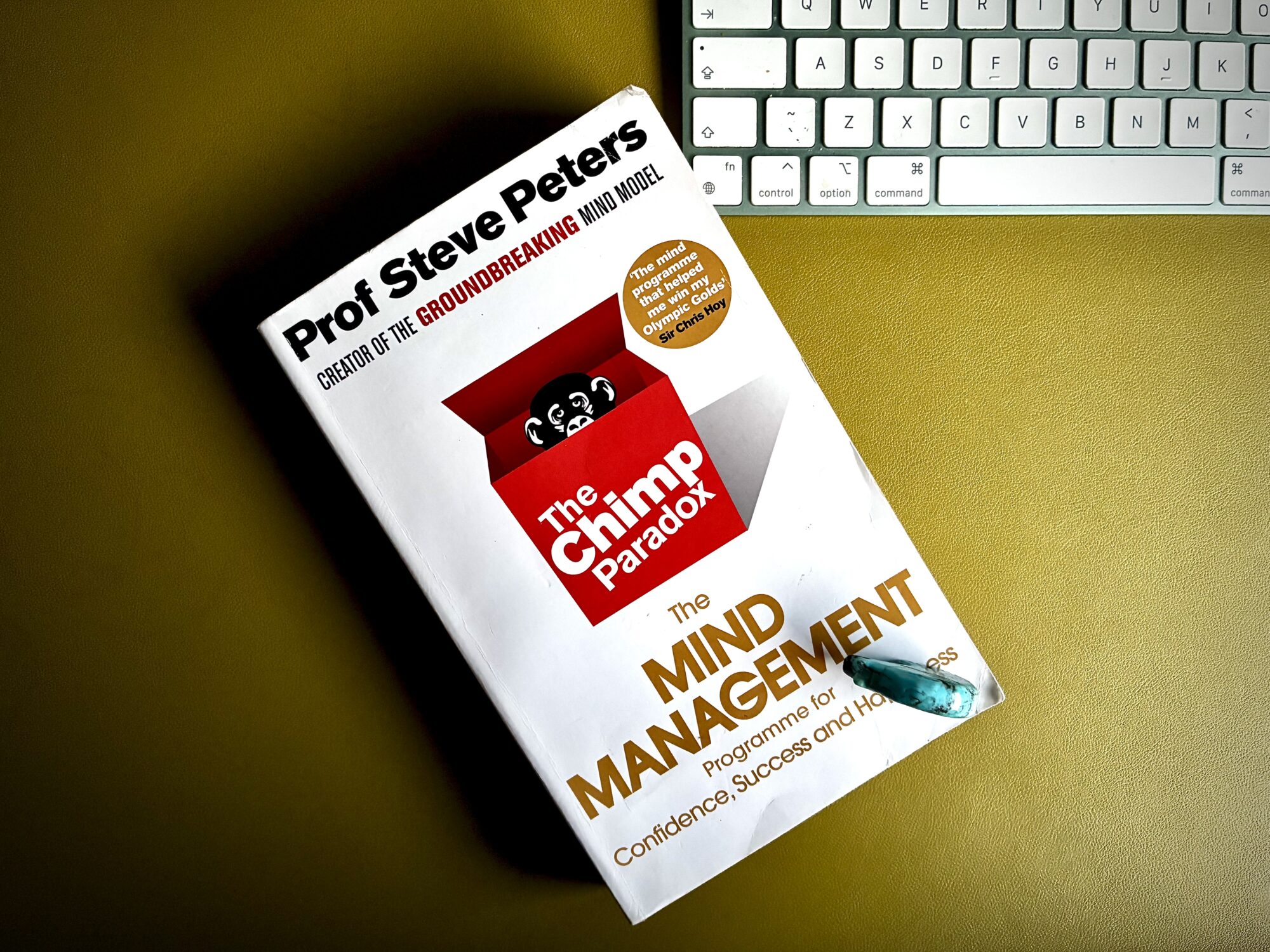
This brought me back to The Chimp Paradox. While it is best viewed as a behavioural model rather than a literal account of neuroscience, its distinction between the rational “Human,” emotional “Chimp” and memory-based “Computer” provides a useful way to reflect on workplace behaviour.
In practice, it reminds us that people do not always respond to a problem logically or predictably. A technical issue, programme pressure, unclear responsibility or perceived criticism can all trigger an emotional response before the rational response has had time to catch up. Recognising that dynamic can help us communicate better, build trust and create teams that are more willing to raise concerns early.
There is also a useful Stoic parallel. When faced with a problem, technical, commercial or personal, the best first response is often to pause. Consider what is within our control, separate fact from reaction, and decide whether we need further information or external support before acting.
Let’s Dive In
Monday
The team carried out a compliance inspection at a challenging project located between a canal and a river. We also updated a CDM presentation for a client, completed planning and administration tasks, and refined Safe Systems of Work documentation in response to feedback from other projects. It was a useful reminder that continuous improvement is often built through small, consistent adjustments.
Tuesday
We returned to a heritage project being converted into a family home. Alongside the dry-stone walling discussion, we discussed the use of traditional lime plaster to solid stone walls, helping the existing fabric to manage moisture and “breathe” as intended.
The day also included CDM tracker duties for a local authority and continued development of contractor Safe Systems of Work.
Wednesday
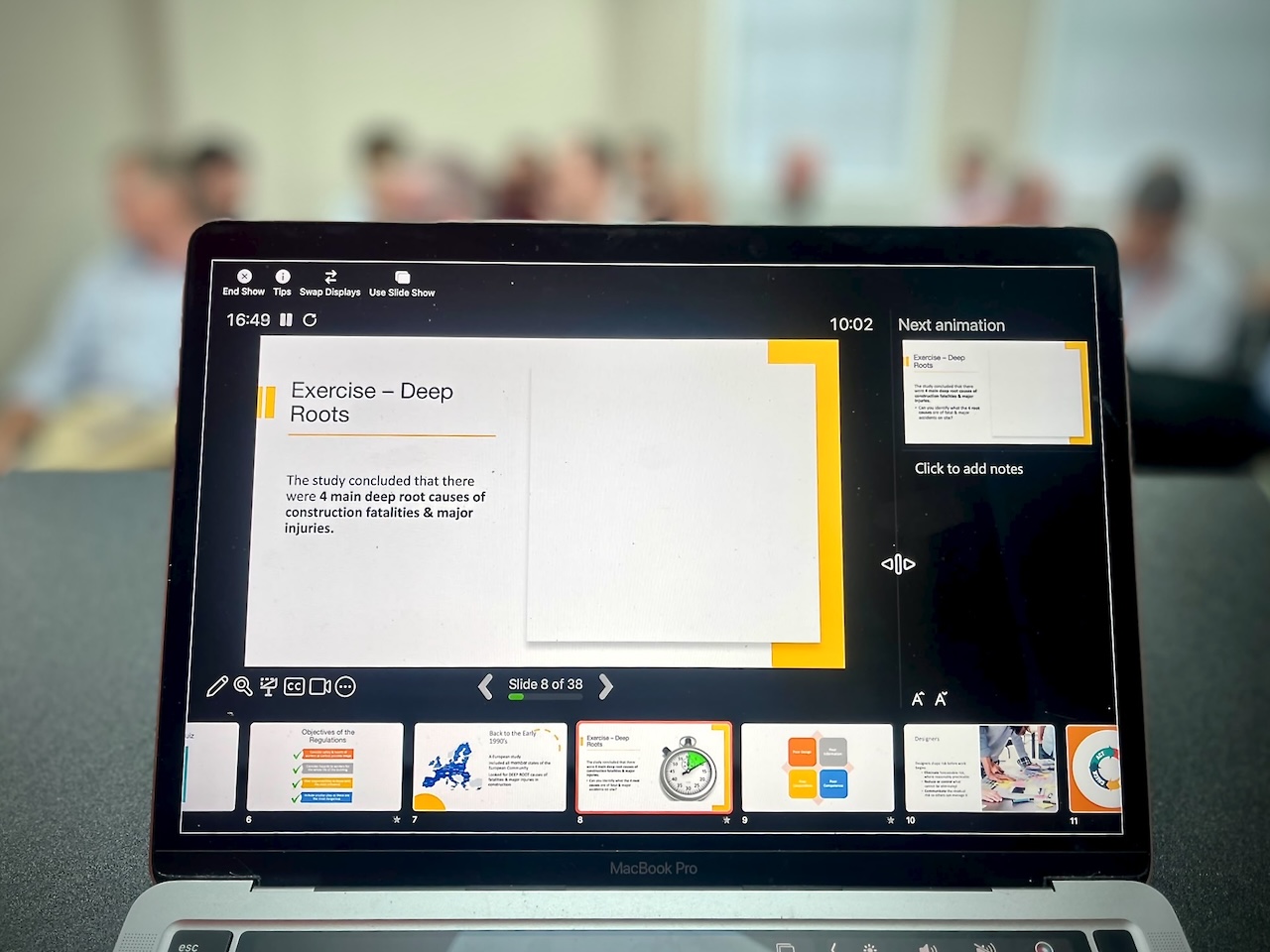
We delivered CDM awareness training on behalf of our partners at MSA, with strong engagement from the delegates. Later, we completed a compliance inspection on a new project entering its early strip-out and demolition phase.
Our weekly New Forest Fencing team session focused on a framework bid, allocating actions across marketing, commercial and technical compliance colleagues.
Thursday
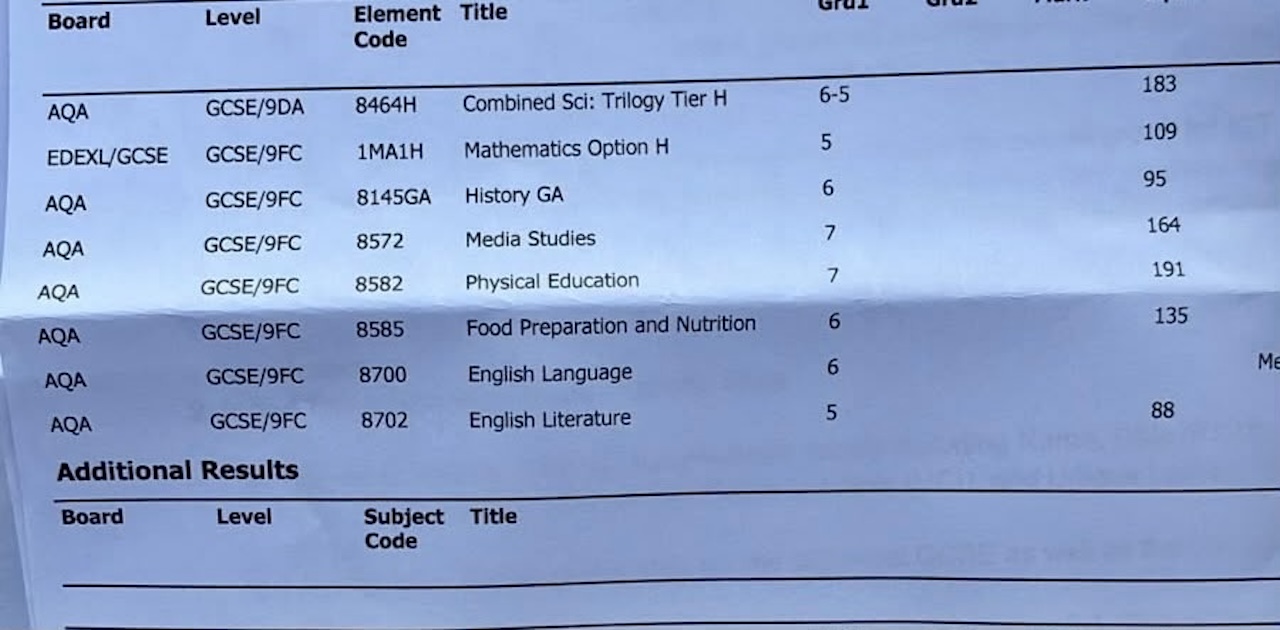
The team celebrated positive GCSE results for our summer recruit, Immi; well deserved.
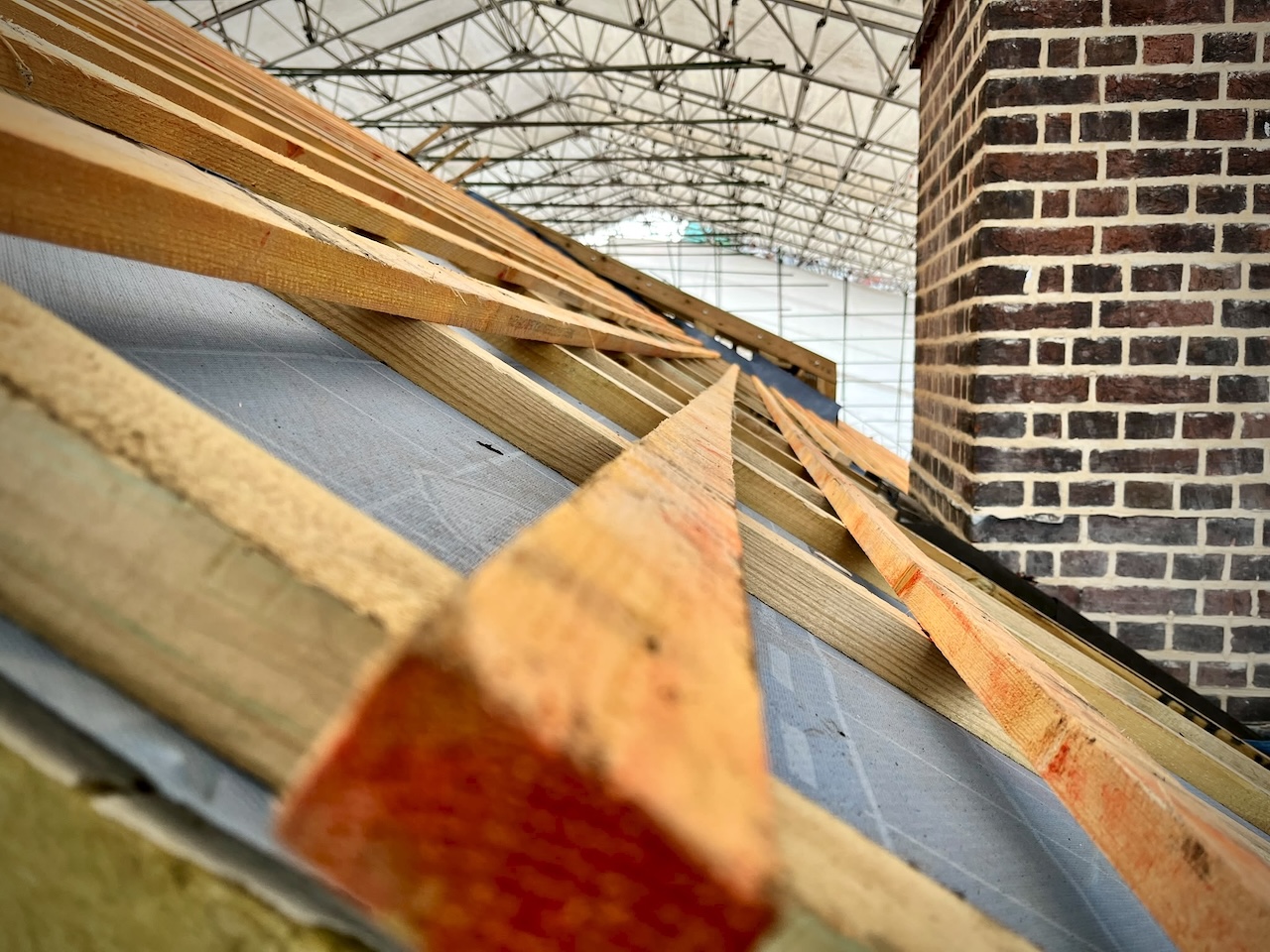
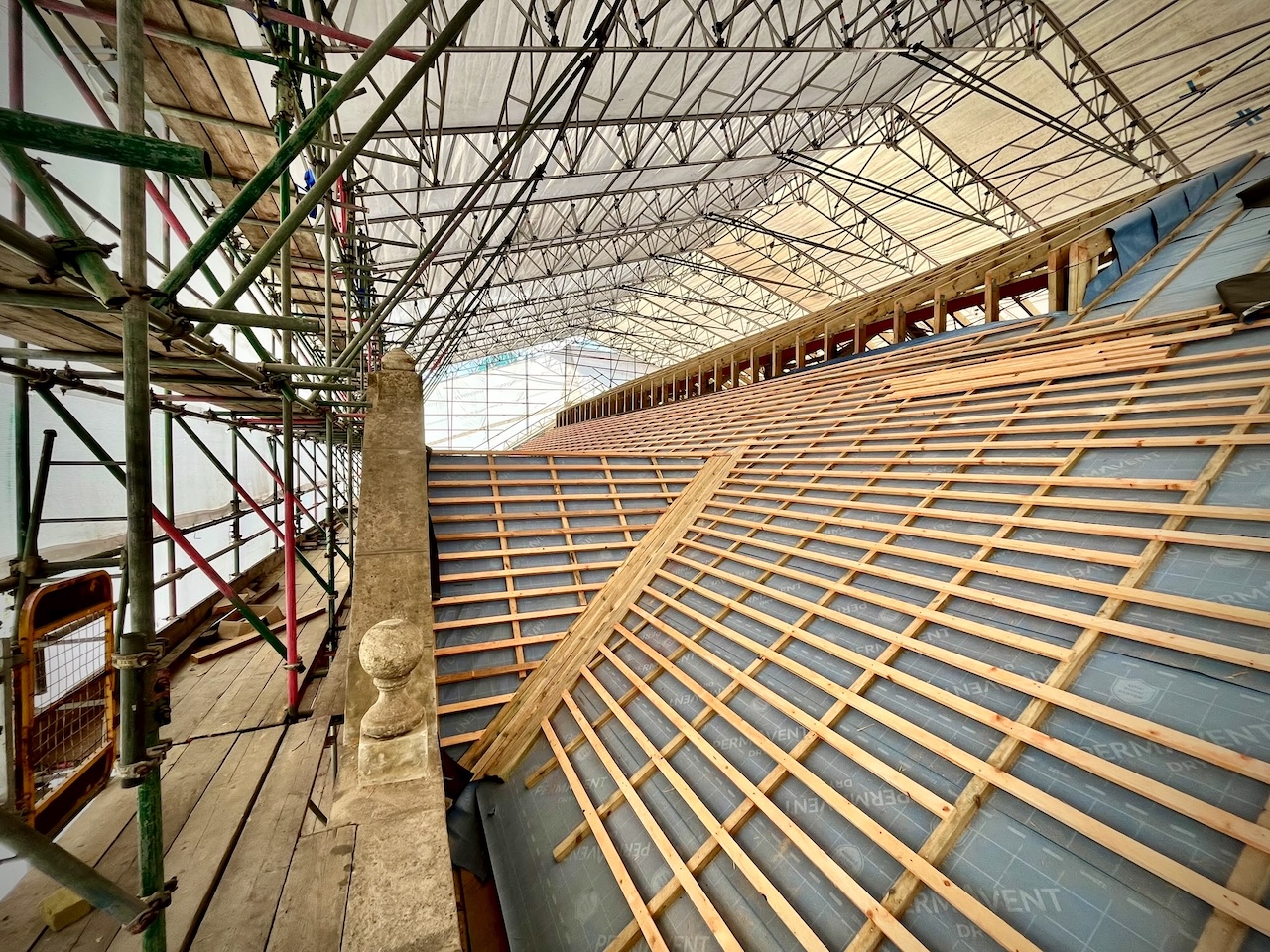
Work continued with a visit to a heritage project in Portsmouth, where we reviewed high-quality roofing works. We also reviewed Construction Phase Plans and attended a bi-weekly project meeting focused on evidencing Building Regulations compliance. Monday.com is proving valuable in creating visible, accountable trackers for those requirements.
The day concluded with a joinery workshop tour, identifying opportunities to improve workflow and efficiency.
Friday
The week ended with a site tour on the Isle of Wight, with Leon cycling to the ferry and onward to the Newport site. The afternoon included management-system development, CDM advice and Safe Systems of Work support for a range of clients.
A key business-development discussion also considered how AI can support workflow improvements, particularly in the difficult transition from automated pre-construction processes to practical delivery by site teams.
Closing Thought: Taming the Chimp
This week demonstrated that progress comes from more than systems, procedures and technology.
A well-designed process gives people a direction of travel. But successful delivery depends on the people using it: their judgement, experience, confidence, emotions and willingness to collaborate. From an artisan developing an instinctive eye for stone, to a team responding to the introduction of new AI-enabled workflows, the human element remains central.
The aim is not to eliminate emotion or uncertainty. It is to recognise them, pause before reacting, and respond in a way that supports the work, the team and the wider goal.