Reflection 32 — Safe Systems, Client Wins, and Team Rhythm
Health & Safety, Reflections, Weekly Round Up
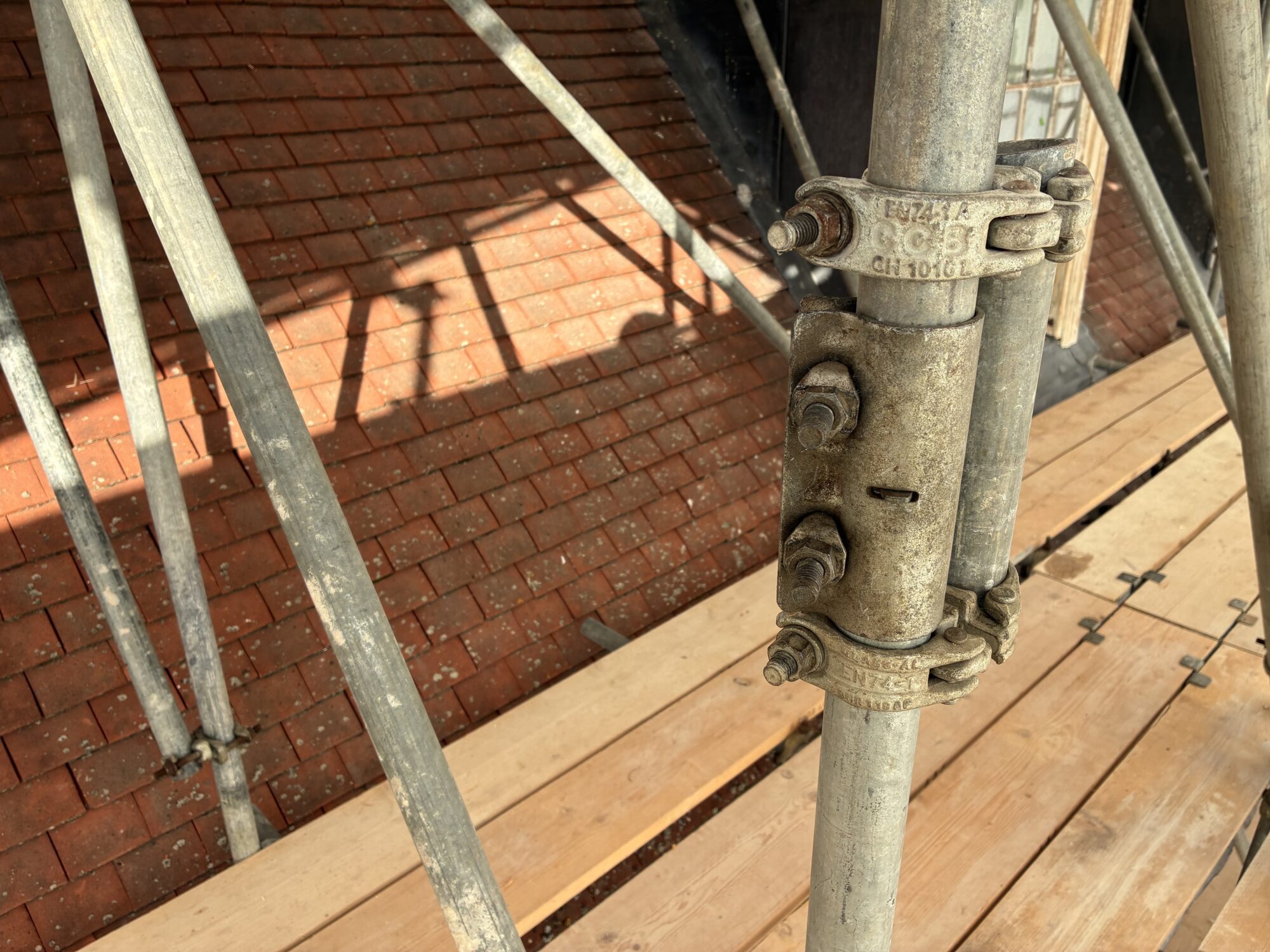
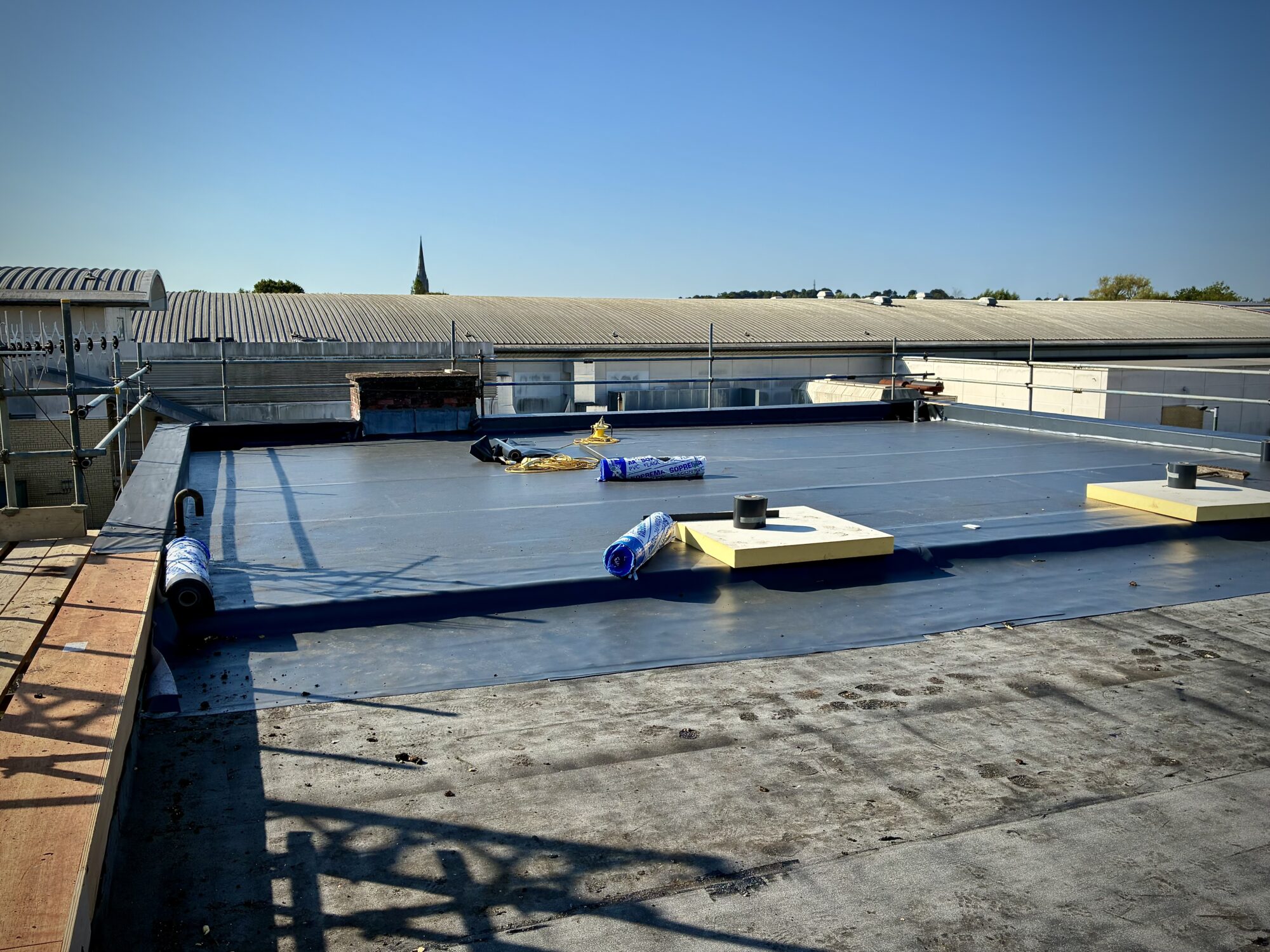
The Plan-Do-Check-Act (PDCA) framework is proving its value as both a strategic compass and an operational shock absorber. Last week, it provided structure; this week, it helped us manage challenges. With multiple team members on both planned and unplanned leave, operational capacity was significantly constrained, forcing us to rely on the system rather than individual heroics. The principal demonstrated this by personally covering client sites across a wide area, from a 14th-century stabilisation project in Sharnbrook to roofing works at Salisbury Fire Station. These site visits were not just about tactical execution; they served as the “Check” phase, generating insights into client progress, the quality of site management, and new business opportunities.
Whilst we successfully navigated the immediate resource gaps, the experience exposed a critical dependency: we are vulnerable to personnel shortages. The core challenge is not simply completing the work with a reduced crew but systemising the business so that client delivery and business development remain robust and predictable, regardless of who is in the office or out in the field.
This week’s PDCA cycle was tested against both foreseeable and unforeseeable staff absences: one team member was on planned leave, another was absent due to unforeseen circumstances, a third was beginning two weeks away, and a fourth was out for the entire month of November. The strategic question became clear: how does the business maintain client service levels, manage resources, and continue business development while operating at reduced capacity? The response was a real-time stress test, with the principal taking on an expanded field role to cover gaps and using travel and site visits to conduct the “Check” and “Act” components of the cycle.
Let’s dive in.
Monday — Medieval Stabilisation and Temporary Works
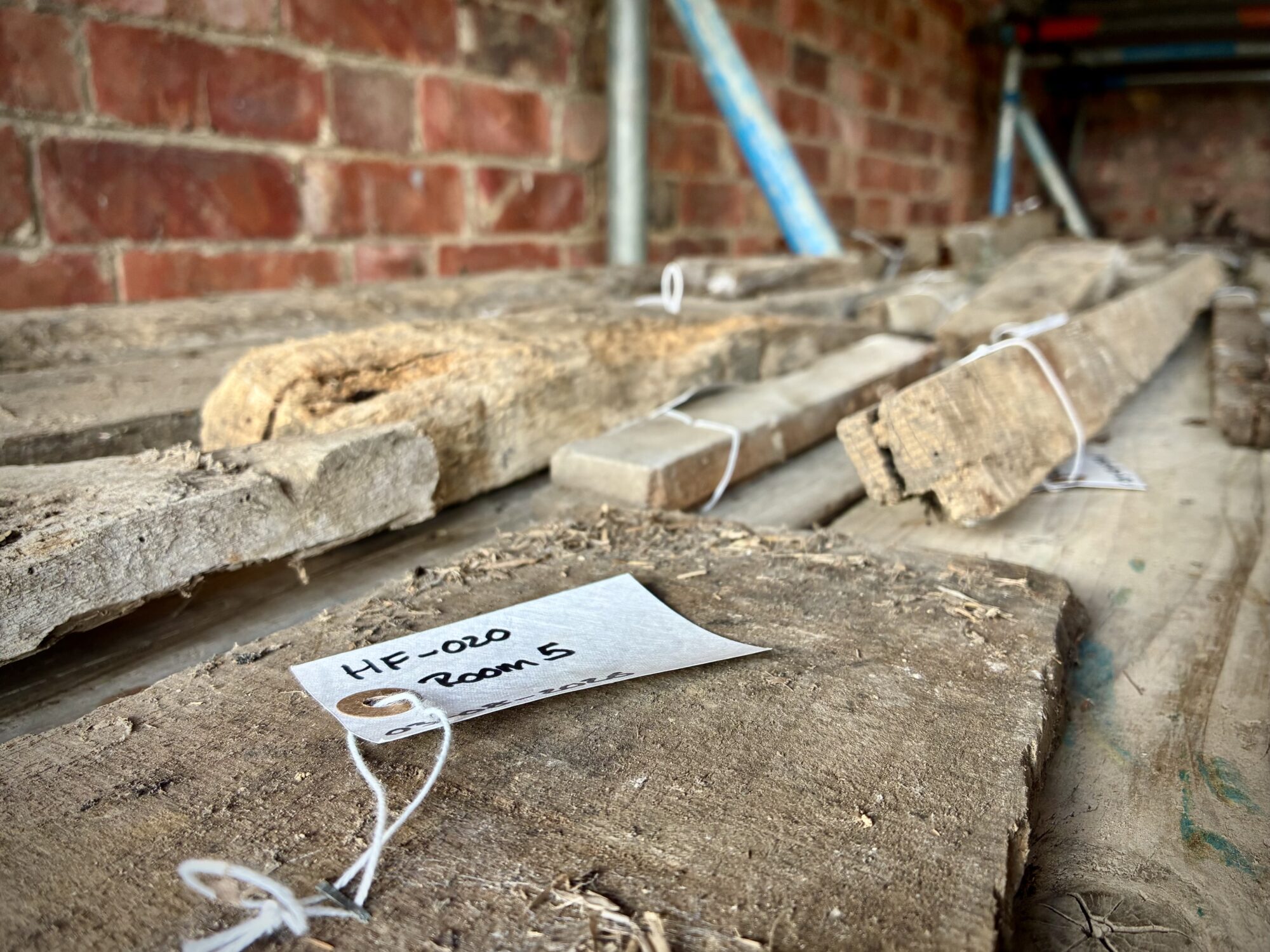
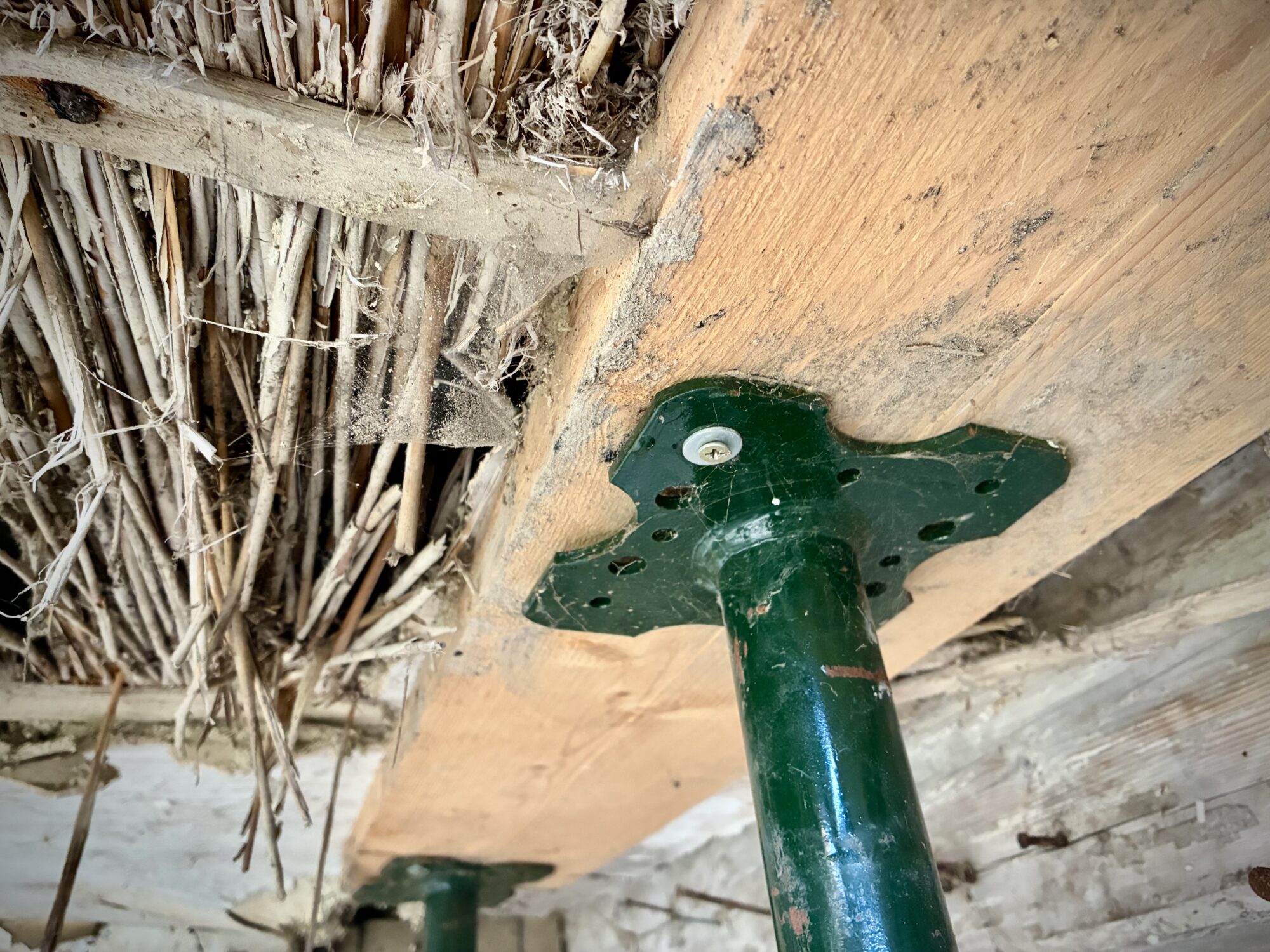
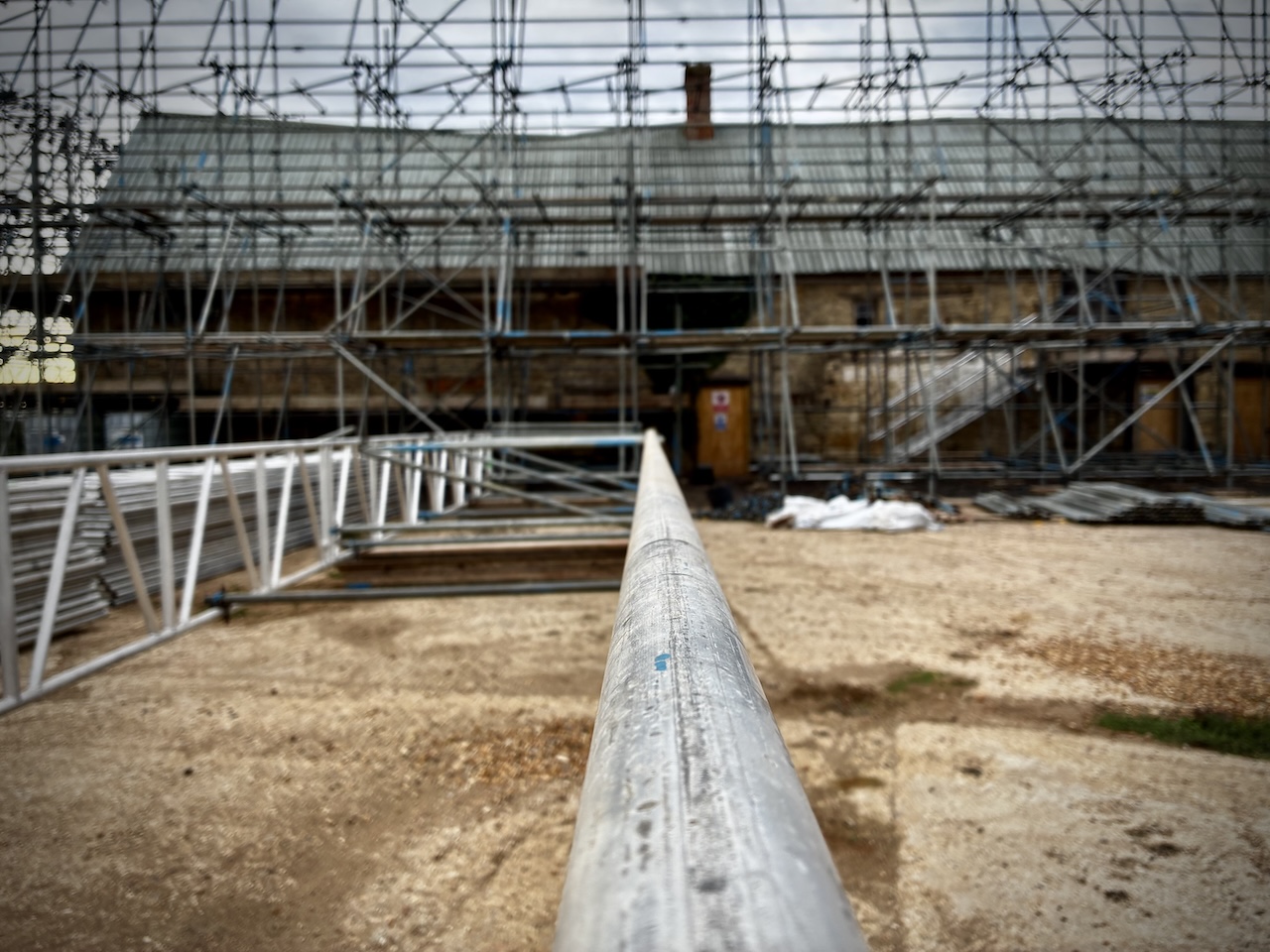
The day started at 8:00 am with a client meeting for the initial set-up of a 14th-century stabilisation project in Sharnbrook, Bedfordshire, focusing on temporary works and clearance. We then visited another project in Woburn, where Stuart was developing another temporary works systems, conducting site tours, and preparing health and safety inspection reports. We wrapped up the day in Hungerford, working on reports from the day’s visits during an overnight stay.
Tuesday — Historic Projects and Framework Opportunities
An early-morning bike ride around Hungerford and along the Kennet and Avon Canal provided a moment of clarity before a busy day. We visited a new heritage project involving scaffolding and external decoration works, then met with New Forest Fencing to discuss a framework opportunity and how we could assist with their tender presentation. After that, we returned to base in the afternoon to handle various projects, administrative tasks, phone calls, and emails.
Wednesday — Certifications and Site Inspections
We visited Sarum Academy in Salisbury to check on Vitec Ceilings and Partitions as they carried out suspended-ceiling work, then conducted a site visit at Salisbury Fire Station for Birchen Construction to inspect roofing works and temporary edge protection. We spent the remainder of the day at base, helping one client successfully obtain SafeContractor SSIP certification; a great result and a testament to careful preparation, while assisting other clients with various compliance matters.
Thursday — Fencing Frameworks and Field Operations
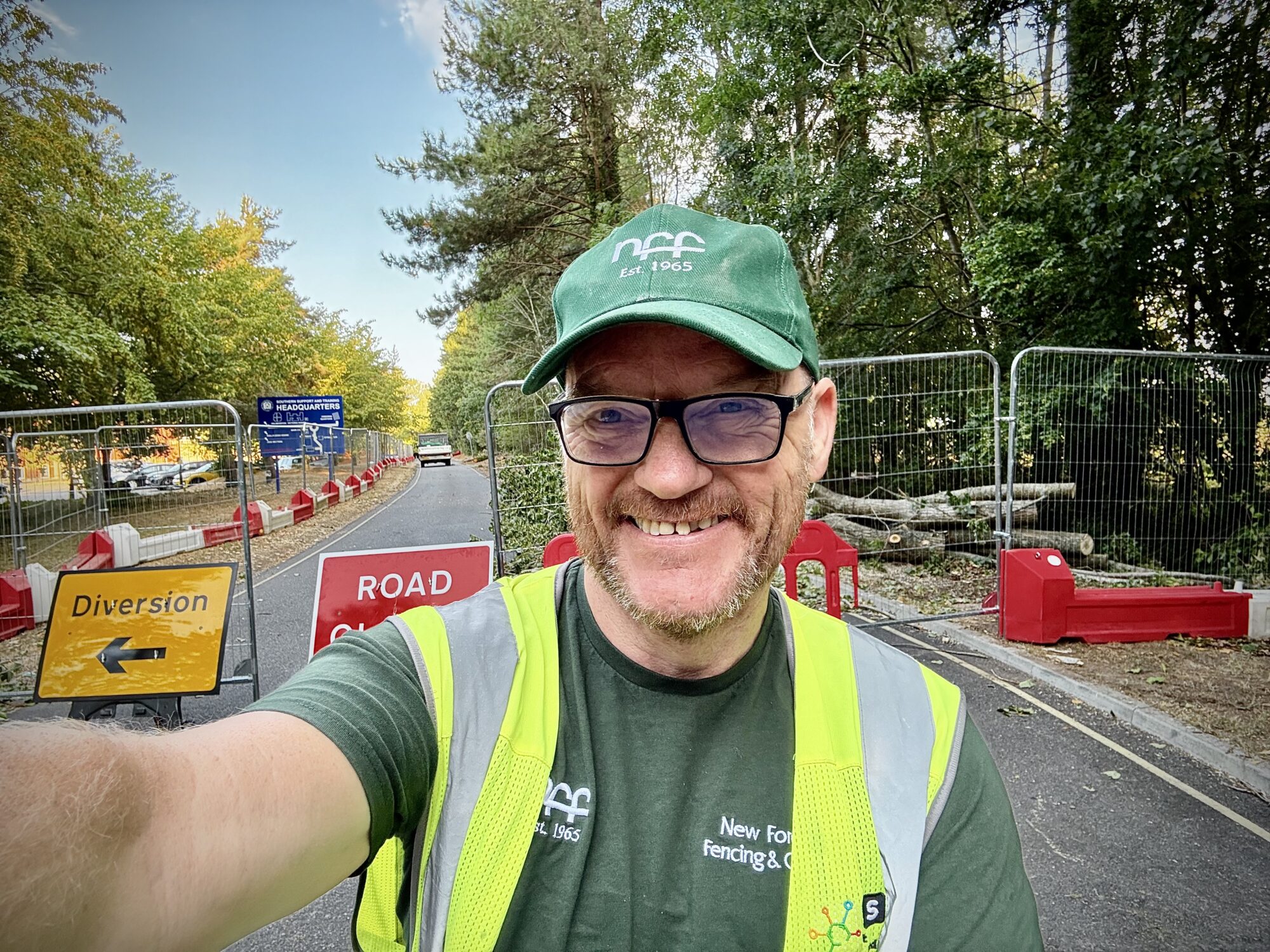
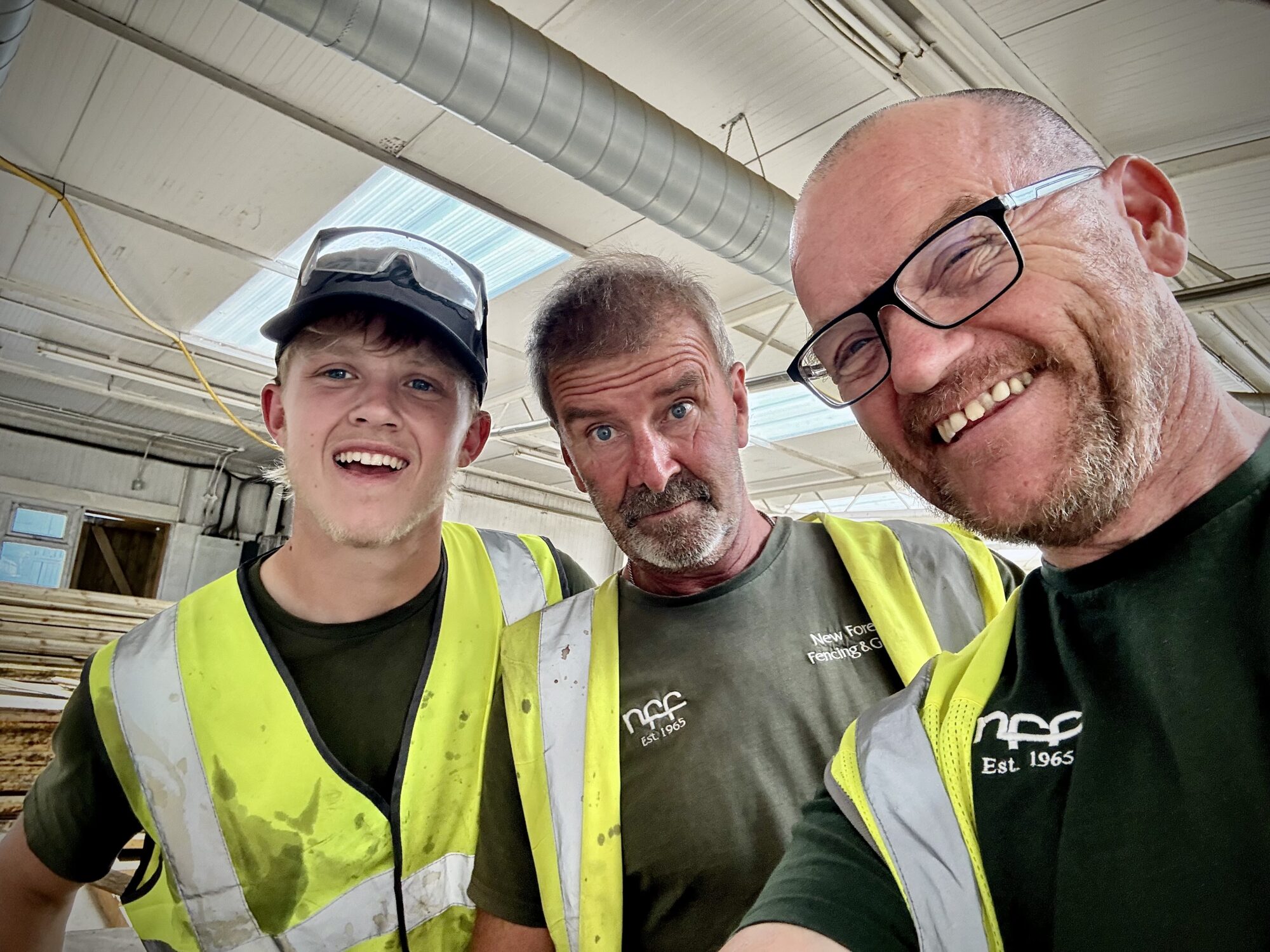
We spent the day on site with New Forest Fencing at Hampshire Constabulary Headquarters, reviewing controls for buried services and tree felling on a two-kilometre fencing project. We then visited their office to assist with operational planning and their framework tender. We also received confirmation that another client had successfully achieved SafeContractor certification; another win in the books.
Friday — Team Catch-Up and Business Health
Every day is a happy day, although Fridays may carry more weight for some! The day started with a catch-up with Sinead, our admin lead. We created an action list before her two-week leave. Sinead is invaluable in keeping us grounded and helping us run the business efficiently when we are immersed in client delivery. This was followed by further meetings with Stuart. We then worked on incident reports, investigation research, and client meetings to discuss the actions and training required to prevent future incidents. Leon was away on leave, enjoying paddleboarding, running, and family time, so the focus was on keeping things moving in his absence.
Closing Thought — The Power of Structure
This week ties back to Plan-Do-Check-Act. A structured approach enables us to focus on what we can see, so we are not distracted from our goal. In health and safety, as in project delivery, that discipline allows us to meet our clients’ expectations consistently.
It is not about bureaucracy; it is about clarity. When we plan properly, do the work, check the outcomes, and act on what we learn, we create a cycle of continuous improvement that benefits everyone—our team, our clients, and the people working on site.
Client leadership was demonstrated throughout the week: from the commencement of a commissioned employee culture survey, to planning actions following a senior leadership team discussion, to taking prompt action following…
This week’s reflection starts with an event that occurred on site the previous Saturday. We were invited by a client to attend site to assist with the oversight of phase…
This week’s reflection bridges the gap between the personal and the professional. It began with a quiet moment for one of the team whilst sitting on a bench in the…
The following two lines are from Leonard Cohen’s posthumous 2019 song Happens to the Heart: “I was handy with a rifle, my father’s 303 I fought for something final, not the…
Of late, the team has been revisiting our relationship with relationships! By this, we are talking about relationships both at work and outside work. Let’s face it: for most of…
The location changed for one team member this week; the principle remained the same: plan the work, protect the important commitments, make space for wellbeing, and stay ready to adapt…