Some of the week’s interactions have led the team to pause for a moment, and to reflect on the future of construction and related services. Leon and Lee, the business Principals, have over seventy years’ experience between them in construction and related supply chains. Leon started his career in window manufacturing in the late 90s, 4 or 5 years after the introduction of the CDM Regulations in 1994. Lee started in 1982, just 8 years after the HSWA 1974 was enacted, as an engineer’s assistant/site labourer.
How things have changed, not only for Leon and Lee, but for the industry!
Gone are the short shorts and trainers of 1982, and in are the requirements for full PPE and covered skin
Gone are the phone boxes of 1982, and in are cellular and satellite communications
Gone are the fax machines of the 90s, and the snail mail of earlier years, replaced by email and direct messaging
Gone are the analogue theodolites and dumpy levels of the 90s and earlier, and in are sophisticated single-person surveying and setting-out instruments
Gone are physical trade publications and textbooks, replaced by the internet and AI
Trends have also changed:
Year
Worker Fatalities
Reported Workplace Accidents*
Estimated Work-Related Ill Health
1981/82 (closest available to 1982)
495
~336,000 reportable injuries
Not directly comparable with modern estimates; occupational disease burden was substantially higher than today
1995/96
287
~154,000 reportable injuries
~2 million people suffering work-related ill health (estimated)
2025/26 (latest available, not 2026 calendar year)
~1.7 million workers suffering work-related ill health
*The 1981/82 and 1995/96 figures are injuries reported by employers. The 2025/26 figure comes from workers’ own reports through the Labour Force Survey, which picks up far more injuries than employers ever report. The columns aren’t like-for-like, so the fatality trend is the clearest comparison.
Behind every one of those numbers are people. Fatalities did not fall from 495 to 126 by accident. They fell because people were trained, regulations were applied on site, and those with experience passed on what they knew to those coming through. The tools have changed beyond recognition, but the thing that makes the difference hasn’t: people learning from people.
Those that we engage with appear to be so much younger, and in many instances, more capable. Or is that simply a factor of ageing? We have so much to learn from those embarking on their career in this industry, and so much to give.
The diversity of talent is clear to see at all levels. The modern challenges are many and would appear to be developing faster than in the early 80s, when if you wanted to call the office or a supplier, you had to find a phone box and put in your 2p when connected!
LCS Project Solutions are hopeful for the future of construction, and this is borne out by the discussions and interaction we have as we visit clients. This week we have also been making the final plans for recruiting and are holding first round interviews in the coming week.
Looking back over this week, that thread ran through almost everything we did. We saw an apprentice and a colleague approaching retirement answer the same survey questions. Undergraduates at Bath shared their ambitions with us. Site managers refreshed their skills, and three generations of one family business are shaping its next sixty years. It’s been a week of the old and the new learning from each other.
Let’s dive in!
Monday — Client Team Day & Site Visits
Monday started early, assisting a client with a return-to-work interview. We then headed off to complete a climate survey, testing the perceived culture of the business with the same question set asked of all employees. This was a courageous endeavour on behalf of the business owner and senior management team. The survey sampled a cross-section of staff from shop floor to office, including a new apprentice and some who are approaching the close of their working career and heading to retirement. The results are in, with consistent scoring across the survey. The detail is in the written responses; the scores are the statistics for tracking.
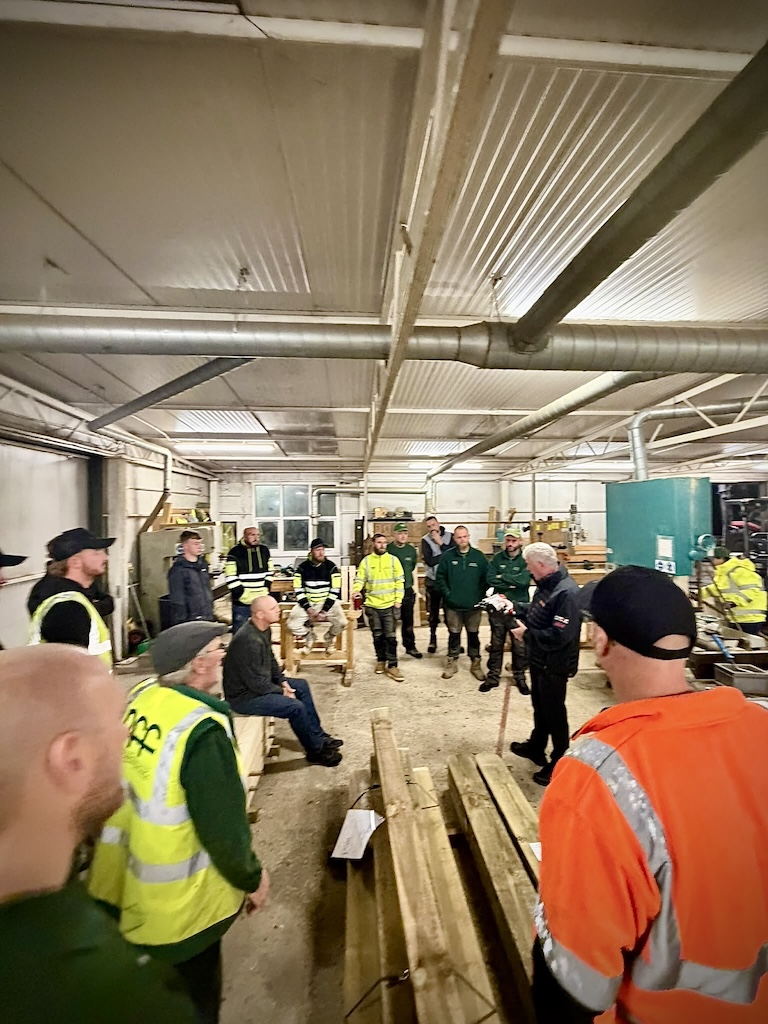
We also visited a client’s premises to undertake a health and safety compliance tour of their lime mortar production facility and made time to put the finishing touches to a risk assessment training course to be delivered on Tuesday.
Tuesday — Risk Assessment Training, Report Writing & The University of Bath
We delivered a risk assessment training session on behalf of our partners MS Associates to their local mechanical and electrical contractor. An Uber was required, not the bike, due to the heavy rain!
Following the previous day’s climate survey, we used AI tools to collate the information and help present the results to our client as a factual report. This is working smarter, for the benefit of our team and our client.
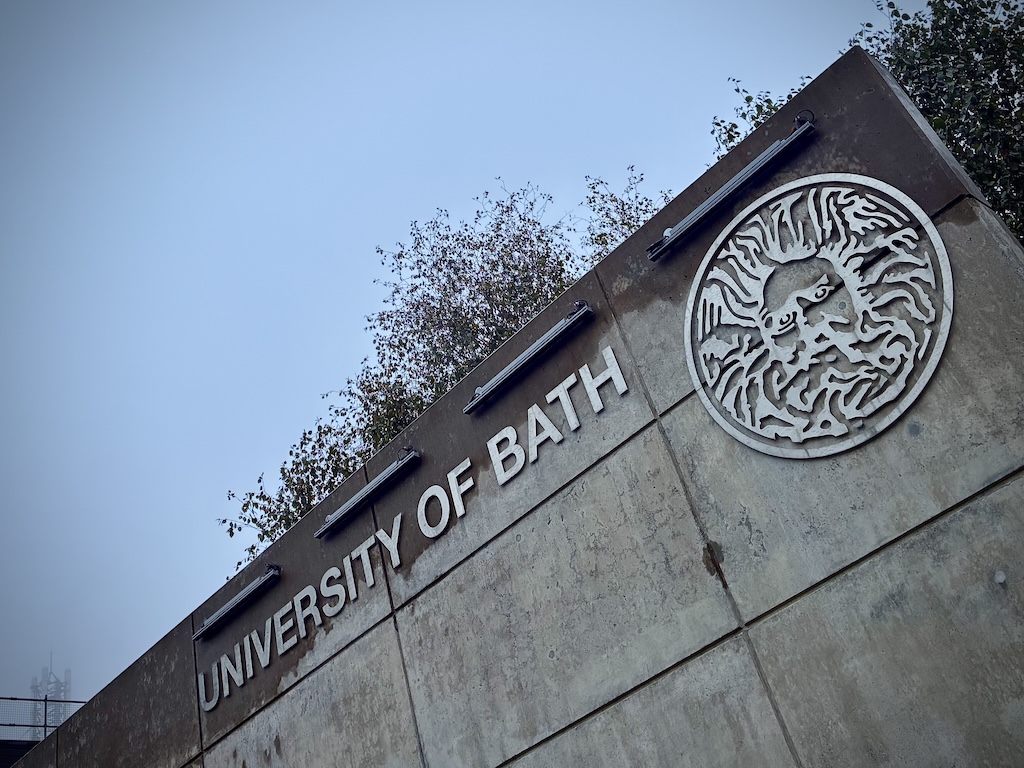
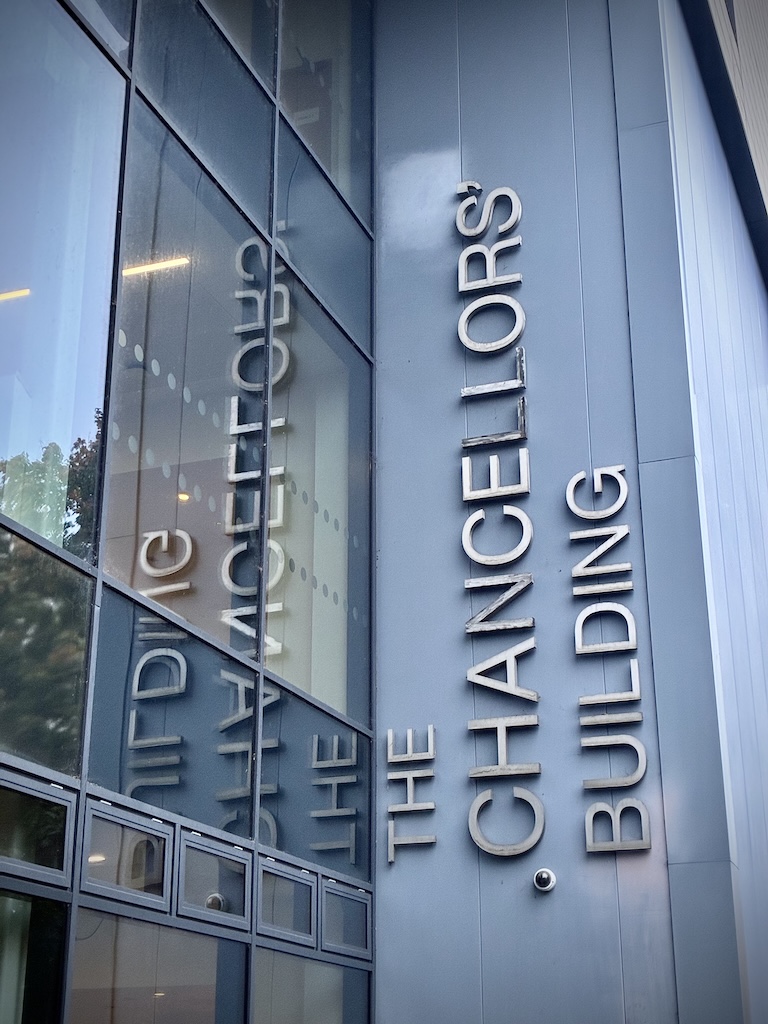
The highlight of the day was a trip for Lee to the University of Bath Faculty of Design and Engineering, to take part as a mentor in the fourth year of the Beyond Boundaries initiative. Mentees are introduced to prospective mentors through four rounds of networking, with 3 or 4 mentees rotating between tables of one mentor. Lee commented, “it is an absolute pleasure to meet with the undergraduates on the programme and to learn of their aspirations both in career and life terms”.
Wednesday — Non-negotiable Office Day and SMSTS Refresher Day One
This was a non-negotiable office day for one of the team, sweeping up loose ends and preparing for the coming week. It is part of the adaptation and flexibility that we like to ensure is embedded in our week, and it enables us to pivot so that our clients’ and our business needs are being met.
We also led an online health and safety update for surveyors, hosted by CPD Essentials. We were active in person in the classroom too, on behalf of MS Associates, delivering Day 1 of the CITB SMSTS Refresher course.
Thursday — SMSTS Refresher Day Two & Client Team Day Part One
On the final day of the CITB SMSTS Refresher course, we are delighted to announce that all delegates successfully completed the course. They can return to the workplace to continue to inspire the future generations, and to help the older generation pass on their knowledge and wisdom through mentoring.
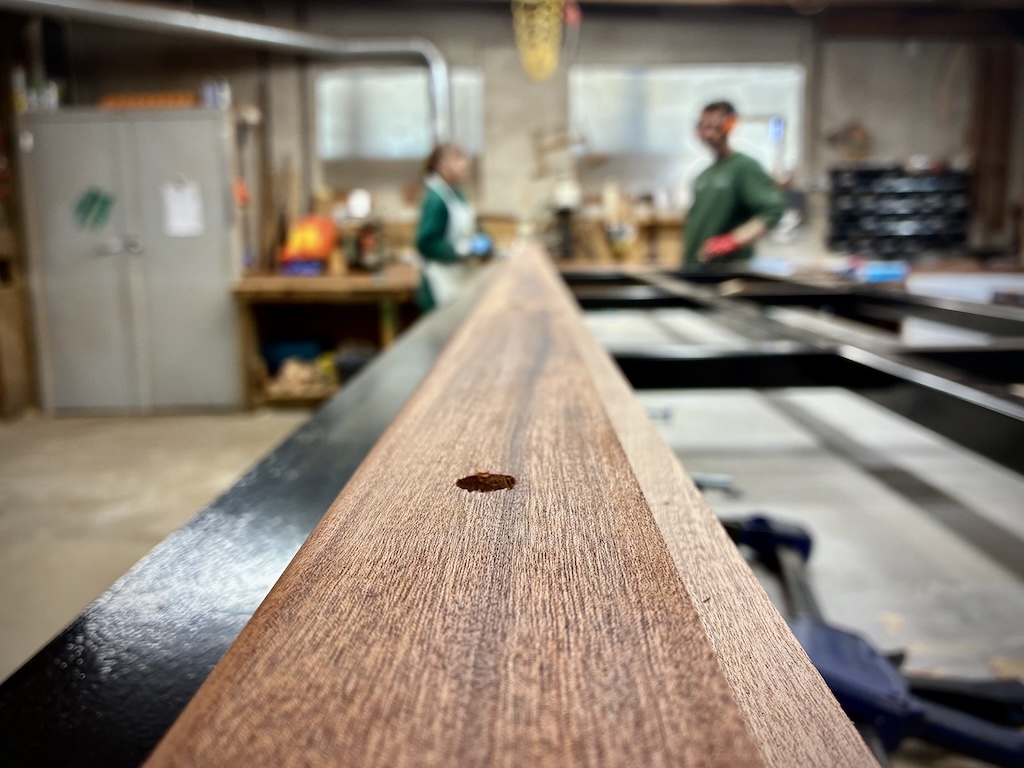
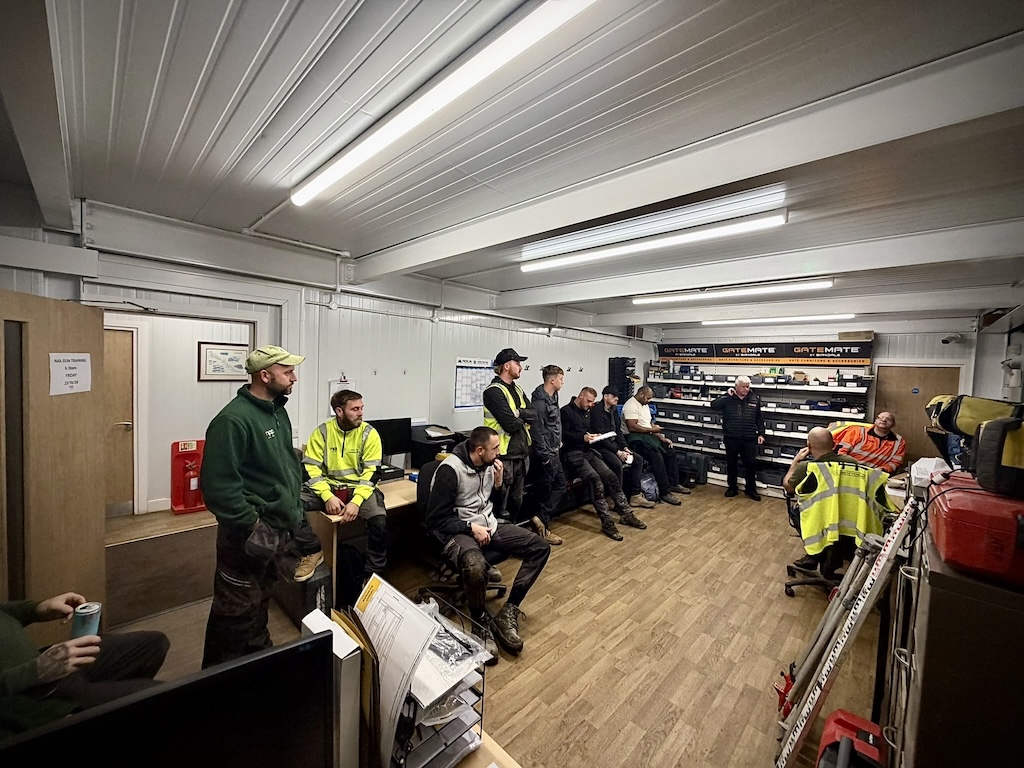
Our client day was the first of two consecutive days this week, as we continue to help them shape the future of the business so it will be around for the next 60 years. The business is passing from one generation to the next. The current custodians are the third generation, and the previous two generations are still involved, from bringing in cakes and having a natter to mentoring and assisting everyone in the business. This is a rewarding process to witness and a privilege to be part of.
Friday — Team Day Part Two & the Second of the Non-Negotiable Days
We conducted the second of our non-negotiable days. If we are not present, those essential tasks can slip through our fingers like a school of startled fish! (Give yourself a pat on the back if you know which song that line was borrowed from.) These non-negotiable days are essential. We make space to connect with our team, to discuss the points that matter and to outline the coming week’s activities.
We were back for part two of our client days, to review the recent revision to the safe system of work documents and to index them as live on Monday.com, so that all have access. We also accompanied one of their contracts managers to a meeting to discuss proposals to successfully conclude a project. He is a wizard at this! We also sat in on a group training session to advance our knowledge of the tools used.
Closing thought — Train Well, Mentor Often, Respect Always.
Lee started out in 1982 with a pocket full of 2p coins for the phone box, and Leon in the late 90s with the ink barely dry on CDM. Both were given the chance to learn, make mistakes and be guided by those who went before them. The future of construction depends on giving that same chance to a cross-section of talent across every part of this industry: planning, design, building control, engineering, the trades and so on. That talent has to be given the freedom to develop its skills and knowledge, and to be well trained, mentored and treated fairly and with respect. That’s how we got from 495 to 126, and it’s how we’ll keep going. We’re practising what we preach, with first round interviews for our own team next week.
What’s the biggest change you’ve seen in your career? We’d love to hear from you.
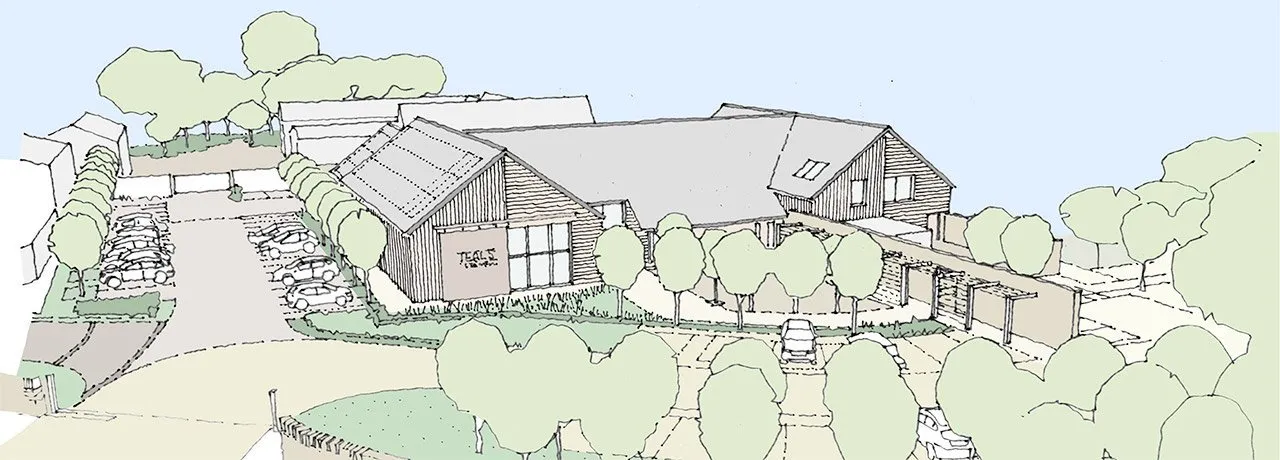
LCS Project Solutions Ltd is pleased to announce our appointment as CDM Advisor on the Teals Stamford project. We look forward to working with the project team, providing practical health…
The team this week have been reflecting on the meaning of choice: the act of selecting one option from two or more alternatives! At times this may appear to be…
Client leadership was demonstrated throughout the week: from the commencement of a commissioned employee culture survey, to planning actions following a senior leadership team discussion, to taking prompt action following…
This week’s reflection starts with an event that occurred on site the previous Saturday. We were invited by a client to attend site to assist with the oversight of phase…
This week’s reflection bridges the gap between the personal and the professional. It began with a quiet moment for one of the team whilst sitting on a bench in the…